
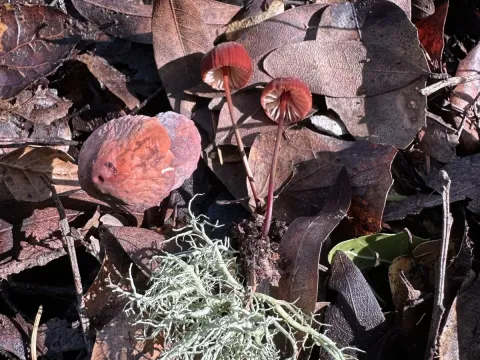
Marasmius
Marasmius
Cultivation of Marasmius species, particularly the fairy ring mushroom, requires a well-prepared planting site. Inoculation is typically performed in the spring season when soil temperatures stabilize between 15–20 degrees Celsius.
What the section contains

Marasmius
The spawn is applied directly into the soil or prepared substrate beds rich in organic matter. Ensuring direct contact between the mushroom mycelium and the root systems of grasses is crucial for successful establishment.
The ideal inoculation period spans from early May to mid-June. Maintaining consistent moisture levels immediately after planting is vital for the mycelium to colonize the substrate effectively.
For establishing a commercial plot, grain-based spawn is recommended. It is distributed evenly beneath a thin layer of soil or turf to protect the developing fungal network from dehydration.
Initial colonization can often be observed within weeks, though a productive fairy ring usually takes one to two full growing seasons to establish its permanent fruiting pattern.
Marasmius mushrooms thrive in open, well-lit environments such as meadows and lawns. They require a stable microclimate provided by dense herbaceous vegetation.
Soil quality is a critical factor; the medium must be high in organic content and possess a neutral to slightly alkaline pH. Strongly acidic soils can inhibit mycelial growth and fruit body development.
The optimal temperature range for development is between 15 and 25 degrees Celsius. Extreme heat or prolonged drought can trigger dormancy in the mycelial network.
Consistent moisture management is necessary. Irrigation systems should be designed to keep the top 10–15 cm of soil moist without causing waterlogging, which promotes rotting.
While light is not a limiting factor for these mushrooms, protecting the soil surface from intense drying winds is recommended to preserve the integrity of the fruiting environment.
The yield of a Marasmius plantation depends on the age of the mycelium and the seasonal climatic conditions. With professional management, yields can range from 0.5 to 1.5 kg per square meter.
Fruiting occurs in distinct flushes. The volume of each flush is directly proportional to rainfall or supplemental irrigation applied in the preceding growth cycle.
A well-maintained plot can remain productive for 5 to 10 years. After this period, re-inoculation with fresh spawn is required to restore the biological activity of the soil.
Organic fertilization, such as compost tea or vegetable-based nutrients, can significantly boost the size and quantity of fruiting bodies during the peak season.
Optimal spacing of the spawn during the initial planting phase helps prevent resource competition, ensuring that the mycelium covers the area efficiently without becoming overcrowded.
Soil-dwelling insects, including fungus gnat larvae and wireworms, represent the primary threats. They can severely damage the mycelium and compromise the quality of the fruiting bodies.
Diseases caused by invasive molds, particularly Trichoderma species, are common under high-moisture conditions or poor aeration. These infections can quickly destroy established plots.
Slugs and snails cause significant aesthetic and physical damage to young mushrooms, requiring the implementation of barrier systems or physical traps to protect the harvest.
Preventive measures focus on hygiene and moisture control. Removing dead or damaged fruiting bodies promptly helps prevent the spread of pathogens throughout the fungal colony.
Biological control agents are preferred over chemical fungicides, as they are safer for both the produce and the surrounding ecosystem, maintaining the overall health of the plantation.
Harvesting is performed by carefully cutting the stems at the base or gently twisting the mushroom out of the substrate to avoid disturbing the underlying mycelial network.
The best time for harvesting is during the early morning hours. This ensures the mushrooms maintain maximum moisture content and fresh appearance for marketing.
Post-harvest handling is critical. Mushrooms must be cleaned of soil and debris immediately and stored at temperatures between 2 and 4 degrees Celsius to prevent degradation.
Marasmius species are excellent candidates for drying. Due to their dense cellular structure, they rehydrate well and retain their culinary qualities long after the initial harvest.
Grading during the harvest process is recommended to separate premium-sized mushrooms from smaller or damaged ones, ensuring consistent quality for the end consumer.