
Maranthes robusta
Maranthes robusta
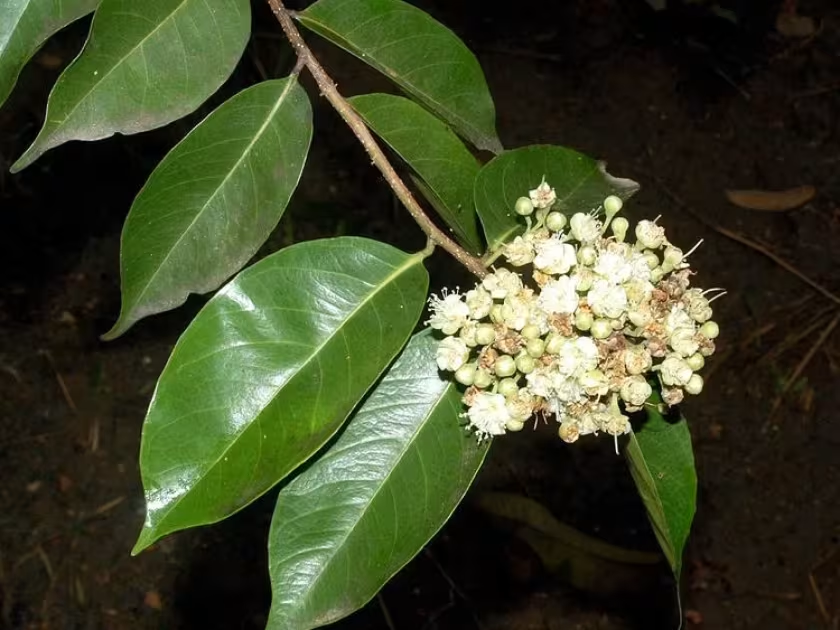
Description
Growing requirements
Maranthes robusta is a significant tropical tree species that belongs to the Chrysobalanaceae family. It is natively adapted to the humid conditions of tropical rainforests and requires specific environmental parameters to thrive.
The climate requirements for this species are characterized by high annual rainfall and consistently warm temperatures. It does not tolerate cold snaps, making its cultivation restricted to specific tropical geographic zones.
Soil requirements focus on well-draining, nutrient-rich substrates that support a healthy root system. Waterlogging is detrimental to the tree, so site selection must prioritize areas with effective natural drainage.
Agricultural management of Maranthes robusta involves careful spacing to allow for full canopy development. Maintenance routines often focus on protecting the trees from environmental stresses, such as high-velocity tropical winds.
Economically, the species is primarily valued for its durable and high-quality timber. It serves as a significant resource in local timber industries, providing material that is resistant to various forms of mechanical wear.
Main diseases and pests
Fungal infections remain the most common threat to Maranthes robusta, particularly when ambient humidity levels become excessive or stagnate around the foliage.
Various wood-boring insects can infest the stems and branches of the tree, potentially leading to severe damage if left unmanaged during the early growth stages.
Competition from aggressive tropical vines and invasive canopy species often threatens the light access needed by younger Maranthes robusta saplings.
Deforestation and habitat loss continue to be the primary drivers of population decline for this species in the wild, complicating conservation and cultivation efforts.
Monitoring for signs of nutrient deficiency or localized pest outbreaks is essential to maintain the productivity and longevity of any managed plantation.