
Maranthes polyandra
Maranthes polyandra
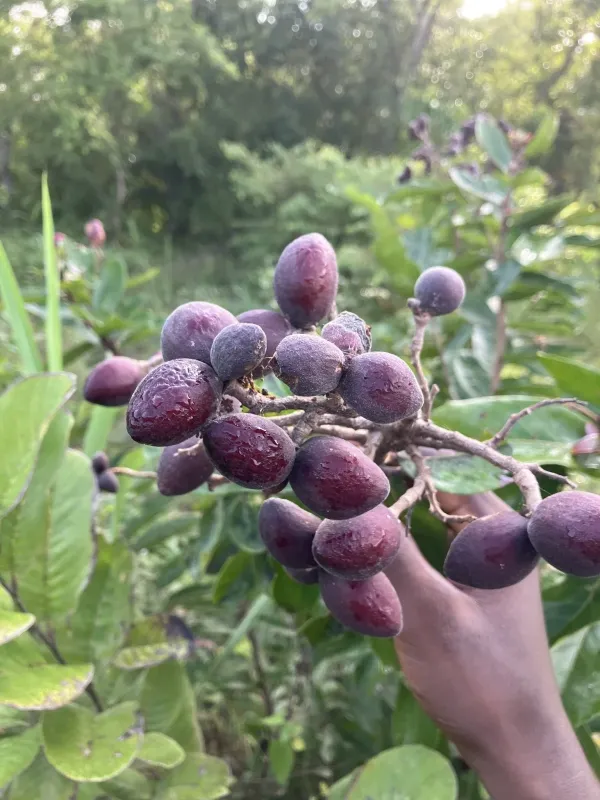
Description
Sowing dates
Propagation of Maranthes polyandra in its natural habitat occurs via seeds, while managed plantations often utilize vegetative methods to ensure consistency in tree quality. The ideal time for planting is the beginning of the rainy season, which maximizes seedling survival rates through natural irrigation.
Seeds possess a hard coat, so scarification or soaking in warm water is essential to trigger germination. In nursery conditions, saplings are grown in containers for several months, allowing for strong root system development before being transplanted into the main field.
Planting density is crucial, with each tree requiring approximately 10 to 12 square meters of space. This spacing prevents excessive competition for sunlight, promoting a healthier canopy and more robust structural development.
During the initial stages of growth, saplings require intensive maintenance, including effective weed control to ensure they do not lose essential soil nutrients. Mulching the base of the trees helps maintain moisture levels in the root zone.
Site selection should focus on areas with excellent natural drainage to avoid water stagnation, which can lead to root rot. Soils should be deep and fertile to support the tree’s long-term growth and productivity.
Growing requirements
Belonging to the Chrysobalanaceae family, Maranthes polyandra is a perennial tree native to the tropical forests of Africa. It thrives in environments with stable temperatures, typically between 22 and 30 degrees Celsius, and is highly sensitive to frost.
The tree requires significant air humidity and consistent rainfall throughout the growing season. In areas with a distinct dry period, supplemental irrigation is necessary to maintain vitality and fruit quality.
Soil requirements involve deep, well-aerated, and nutrient-rich environments. The plant prefers neutral to slightly acidic soil conditions, which facilitate the efficient uptake of micro and macronutrients from the ground.
Sunlight exposure is a major driver of growth; therefore, plantations should be located in open, sunny areas. While young trees may tolerate partial shade to avoid leaf scorch, mature trees require full exposure to reach peak productivity.
The application of organic fertilizers is highly recommended to support soil health and micro-flora. These inputs help maintain the vigor of the trees, ensuring they remain resilient throughout their productive lifespan.
Yield
The economic value of Maranthes polyandra lies in its oil-rich seeds, which are highly prized for industrial and cosmetic applications. Yields begin to emerge a few years after planting, with output progressively increasing as the tree matures and the canopy fills out.
Yield consistency is heavily dependent on proper canopy management and sustained nutrition. Regular pruning is a key agricultural practice that stimulates the growth of new fruiting branches while ensuring good airflow to prevent disease.
The quality of the oil extracted from the kernels is a critical factor for market success. Research into high-yielding clones and improved cultivars is ongoing, aiming to enhance the overall output per hectare in tropical plantations.
Farmers are encouraged to monitor yield performance across different trees to identify superior genetic stock. This selection process is vital for optimizing the overall efficiency of the plantation over time.
As the market for natural, plant-based oils expands, Maranthes polyandra represents a promising crop for sustainable agroforestry. Its ability to provide consistent yields makes it an attractive option for local tropical farmers.
Main diseases and pests
Pest management is a fundamental aspect of cultivation, as several insects specifically target the foliage or developing fruits of the tree. Early detection is the most effective strategy to prevent large-scale damage to the crop.
Fungal diseases are a frequent issue in tropical climates, especially in conditions of high humidity or poor ventilation. Such diseases can target both the bark and the wood, potentially leading to weakened structural integrity.
Preventive measures include maintaining orchard cleanliness and ensuring that trees are not over-watered. When chemical intervention is necessary, it should be applied as a targeted treatment to minimize environmental impact.
A tree's natural resistance to threats is closely linked to its overall health and nutritional status. Well-nourished trees are better equipped to withstand environmental stress and fend off pathogen attacks.
Routine inspections are essential for plantation health. Promptly removing and destroying any infected plant tissue helps break the cycle of disease and protects neighboring trees from potential outbreaks.
Harvesting
The harvest of Maranthes polyandra is primarily done by hand, ensuring that only the fully mature fruits are gathered. This manual approach is essential for preserving the quality of the kernels and avoiding unnecessary damage to the trees.
Timely harvesting is critical, as fruits left on the tree past their peak ripeness may suffer from quality degradation or oil oxidation. Harvesters are trained to recognize the visual cues that indicate the optimal moment for picking.
Post-harvest handling is a high-priority process. Fruits must be processed quickly to remove the pulp and dry the seeds properly, which is necessary to prevent spoilage and fungal growth in the storage area.
Storage facilities must be dry, cool, and well-ventilated to keep the oil-rich kernels stable before they are transported to processing plants. Proper conditions ensure that the final product meets market quality standards.
Effective logistics from the field to the processing facility helps maintain the integrity of the oil. Streamlining this supply chain is key for producers looking to maximize the shelf-life and value of their harvest.