
Maranthes corymbosa
Maranthes corymbosa
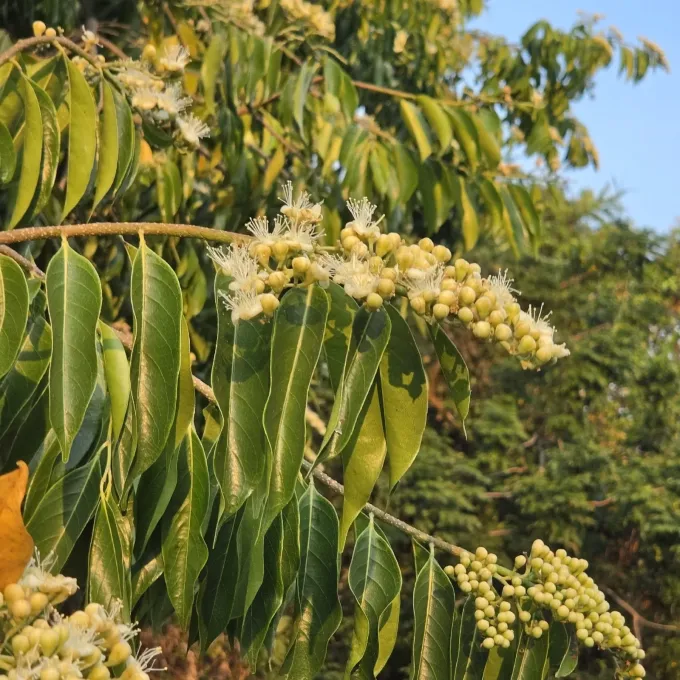
Description
Growing requirements
Maranthes corymbosa is a member of the Chrysobalanaceae family, typically found in the tropical regions of Southeast Asia and Northern Australia.
This tree requires a hot and humid tropical climate, characterized by year-round high temperatures and significant annual rainfall patterns.
Ideal soil conditions include deep, well-drained loamy soils that can retain sufficient moisture without causing waterlogging around the root zone.
The plant thrives in full sunlight but demonstrates good tolerance for semi-shaded conditions during the early stages of its growth cycle.
Agronomic management should focus on maintaining high soil fertility and protecting the canopy from strong winds that can damage young branches.
Yield
The wood of Maranthes corymbosa is highly valued for its physical properties, including density, strength, and resistance to natural decay.
The species is primarily cultivated in agroforestry systems where it serves as a source of high-quality timber for local construction projects.
Besides timber, the tree produces seeds and fruits that contain lipids, which are of interest for various industrial and artisanal oil extraction processes.
Yield efficiency is significantly improved by proper spacing, which allows the trees to optimize nutrient uptake and sunlight capture.
Sustainable harvesting practices ensure the long-term viability of these plantations while providing consistent timber production for the community.
Main diseases and pests
Fungal infections, particularly root rot, represent a major threat to the health of the trees, especially when grown on poorly drained soil types.
Insect pests, such as wood-boring beetles, can weaken the structure of the trunk, making the trees susceptible to windthrow and disease.
Leaf spot diseases are common in plantations where air circulation is restricted due to high tree density or excessive humidity levels.
Effective management strategies include removing deadwood, maintaining proper tree spacing, and monitoring for signs of infestation early.
Integrating natural predators and maintaining ecological balance within the plantation helps to suppress pest populations without heavy chemical use.