
Maranthes glabra
Maranthes glabra
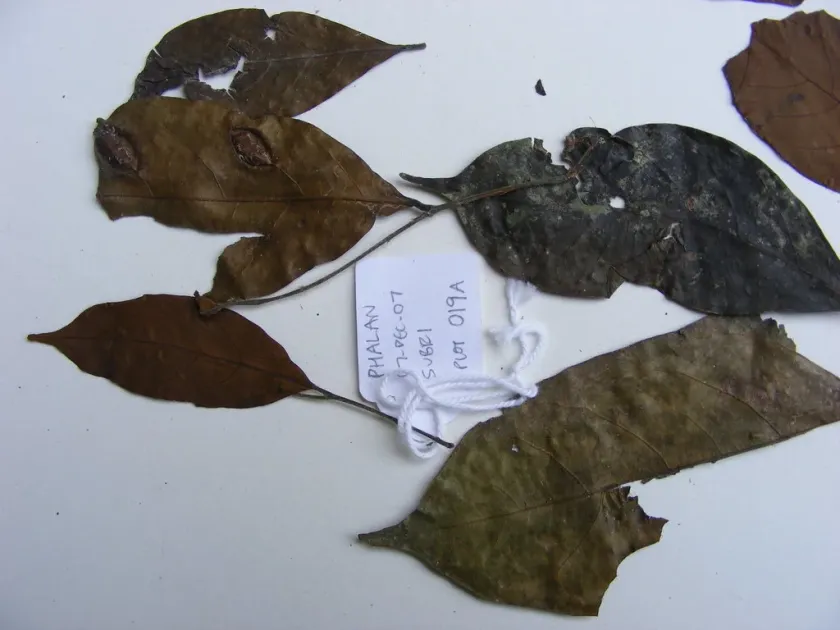
Description
Growing requirements
Maranthes glabra is a notable plant species belonging to the Chrysobalanaceae family. Indigenous to tropical Africa, this evergreen tree plays an essential role in local agroforestry systems and forest ecosystems.
The plant thrives in regions with high precipitation and well-drained, nutrient-rich soils. It requires consistent humidity levels, as it is naturally adapted to the stable environment of tropical rainforests and humid lowland areas.
For successful growth, it requires a tropical climate where temperatures remain consistently warm throughout the year. Maranthes glabra is sensitive to extreme weather fluctuations and prefers light, filtered sunshine during its early stages of development.
Botanically, the tree is characterized by its smooth bark and dense, elliptical leaves. The flowers are arranged in large inflorescences that attract various pollinators, which is critical for the production of its nutrient-dense fruit and seeds.
Economically, the seeds are harvested for their oil content. This oil is highly valued in traditional medicine and rural household applications, making the species an important minor crop for local communities in its native range.
Main diseases and pests
Common threats to Maranthes glabra include fungal pathogens that exploit the high humidity of its habitat. These diseases often manifest as leaf spots and branch blight, which can reduce the tree's vigor and seed output.
Insect pests such as wood-boring beetles and sap-sucking insects represent significant risks to the tree's health. Infestations often occur when trees are stressed due to inadequate soil moisture or improper nutritional balance.
Effective management includes maintaining proper tree spacing to facilitate air circulation within the canopy, which naturally helps suppress fungal growth. Regular pruning of dead or diseased biomass is essential for maintaining plant health.
Integrated Pest Management (IPM) strategies are recommended for managing the diverse pest populations found in tropical settings. This involves encouraging natural predators and avoiding heavy chemical interference to protect the ecosystem.
Soil quality management through organic mulching is a highly effective way to bolster the plant's resistance against soil-borne pathogens, ensuring a long and productive life for the individual trees in a plantation.