
Marah horridus
Marah horridus
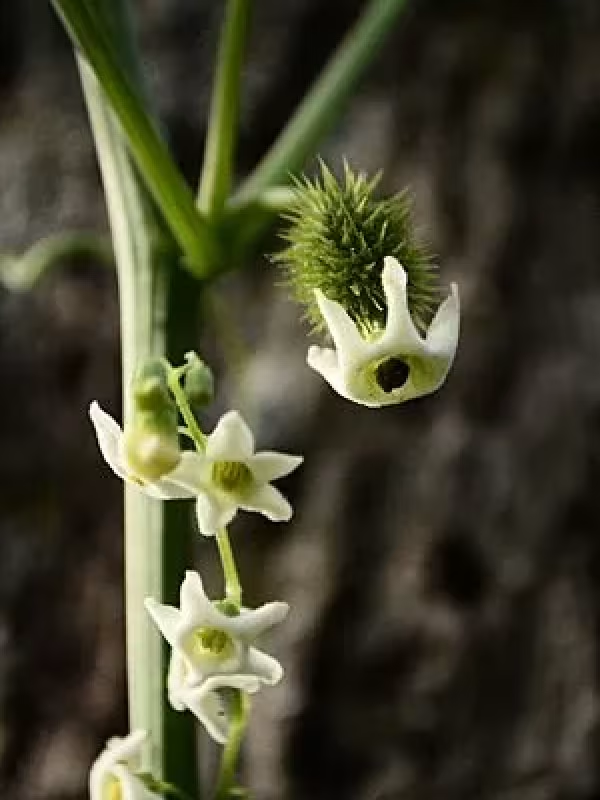
Description
Sowing dates
Marah horridus is a robust perennial vine belonging to the Cucurbitaceae family, known for its ability to develop a large, tuberous root system. It is typically propagated through seeds which require specific preparation for successful germination.
Sowing should take place in spring once the threat of frost has passed and soil temperatures have stabilized. The seeds have a hard, protective coat that benefits from scarification to improve water absorption.
Planting depth is critical, as larger seeds need sufficient soil cover to establish a strong root structure early on. Spacing must be generous, as the plant spreads aggressively over supporting structures.
In nursery settings, seeds are often started in deep pots to accommodate the initial root growth before transplanting into permanent garden locations. Care must be taken to avoid damaging the taproot.
The rate of establishment is heavily dependent on soil temperature and consistent, though not excessive, soil moisture during the first few weeks after emergence.
Growing requirements
This species thrives in full sun exposure, which is necessary for the production of its signature spiny fruits. Partial shade may lead to etiolation and reduced plant vigor.
Soil requirements focus on excellent drainage and moderate fertility. While Marah horridus can adapt to poor soils, the addition of organic matter significantly improves biomass production.
Water management is essential: the plant is drought-tolerant once established due to its tuber, but young plants require steady moisture to build their initial root reserves.
Vertical supports are a necessity rather than an option. The weight of the mature vine and its dense fruit requires sturdy fencing or trellis systems to prevent ground-based disease issues.
The climate should mirror Mediterranean conditions, featuring warm, dry periods. Excessive summer rain can cause root suffocation if the substrate does not drain efficiently.
Main diseases and pests
Fungal pathogens such as powdery mildew are common in humid environments, particularly when airflow is restricted within the vine's thick foliage during hot summer months.
Root rot is the most significant threat, almost always resulting from overwatering or poorly draining soil. Once the tuber begins to decay, the entire plant is usually compromised.
Insect pests, including aphids and spider mites, are frequent visitors that target the tender growing tips. Early intervention with organic insecticidal soaps is highly effective.
Mollusks such as slugs and snails are highly destructive to young seedlings, capable of clearing large areas of foliage in a short duration. Barriers like copper tape are recommended.
Nematode infestations can also inhibit root development. Maintaining good soil health and rotating planting sites can help mitigate the long-term impact of these soil-borne pests.