
California manroot
Marah fabacea
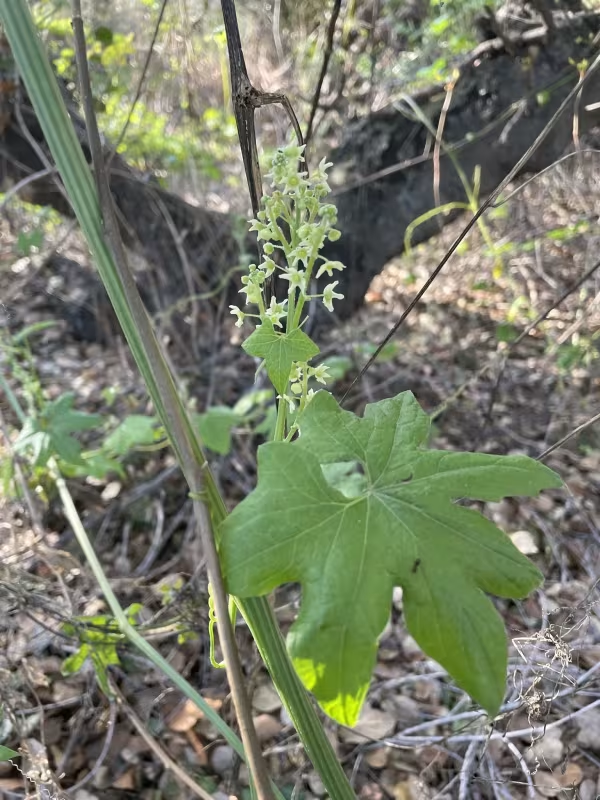
Description
Sowing dates
California manroot, scientifically known as Marah fabacea, is a perennial vine belonging to the gourd family, Cucurbitaceae. It is native to California and is well-adapted to the Mediterranean climate, characterized by cool, wet winters and hot, dry summers.
The planting process usually begins with sowing seeds in the autumn, allowing them to benefit from the natural seasonal moisture cycle. It is crucial to use well-draining soil to mimic the plant's natural rocky or sandy habitats where it thrives in the wild.
When sowing, place the seeds approximately 5–10 cm deep. Given the plant's massive tuberous root system, providing adequate space between plants is essential for long-term survival. Ideally, maintain a spacing of at least 2 meters to avoid competition for resources.
The seeds possess a hard seed coat, which is a natural mechanism to ensure they remain dormant until sufficient moisture is available. Scarification or soaking the seeds for 24 hours prior to planting can significantly improve the rate of germination.
Once established, the vine shows remarkable growth speed. Within a few weeks of sprouting, the plant develops long, vigorous stems that require robust trellises or supports to grow vertically and maximize sun exposure.
Growing requirements
Marah fabacea thrives in full sun but can tolerate partial shade in hotter regions. It is highly adaptable to various soil types, provided they are well-draining. The presence of a large tuber allows the plant to store significant amounts of water.
The most important requirement for this crop is the prevention of waterlogged soil. While the plant likes moisture during the active growth phase, stagnant water around the tuber during the dormancy period will almost certainly lead to rot.
Temperature management is key, as the plant is sensitive to hard frosts when young. In colder climates, protecting the base of the plant with a layer of mulch is recommended to prevent the tuber from freezing during the winter months.
Fertilization should be handled carefully. As a native to relatively poor soils, excessive nitrogen can lead to an overabundance of vegetative growth at the expense of root development. A balanced, slow-release fertilizer applied in early spring is usually sufficient.
Maintaining air circulation around the canopy is essential. Since the vine is prolific, thinning out the stems periodically can prevent the dense foliage from trapping moisture, which is the primary trigger for most fungal issues in this species.
Main diseases and pests
The most common disease affecting California manroot is powdery mildew, which appears as a white, dusty layer on the leaves. This is typically caused by high humidity combined with poor airflow, common in dense, unmanaged vine thickets.
Root rot, caused by various soil-borne fungi, is a severe threat, especially in heavy clay soils. Ensuring proper drainage is the only effective prevention method, as curative treatments for established root rot are rarely successful.
Pests such as aphids and spider mites frequently target the tender new growth in the spring. If left unchecked, these can weaken the plant and serve as vectors for viral diseases, which may stunt the overall growth of the vine.
Gastropods, particularly snails and slugs, pose a significant risk to young, emerging seedlings. Using physical barriers or copper tape around the stems can protect the vulnerable sprouts until they become sturdy enough to withstand grazing.
Regular monitoring of the vine's health is necessary to manage threats early. Removing yellowing or infected leaves immediately helps maintain plant vigor and limits the spread of pathogens throughout the planting area.