
Manulea crassifolia
Manulea crassifolia
Description
Sowing dates
Manulea crassifolia is primarily propagated through seeds, starting in a controlled environment to ensure successful germination. Sowing usually begins in late winter or early spring, using a well-draining, fine-textured growing medium designed for small seeds.
Given the minute size of the seeds, they should be sown on the surface of the soil rather than buried. Lightly pressing the seeds into the moist medium and covering the container with plastic or a glass pane helps maintain the consistent humidity levels required for sprouting.
Optimal germination occurs at temperatures between 20°C and 22°C. Once the seedlings emerge, typically within two to three weeks, the cover should be gradually removed to improve airflow and acclimatize the young plants to lower ambient humidity.
Pricking out the seedlings occurs once the first pair of true leaves is developed. This stage requires delicate handling to avoid damaging the fragile root system, which is crucial for the future vigor of the plant during the transplantation phase.
Transplanting into the permanent outdoor location should take place only after the last frost risk has passed. Hardening off the plants by gradually exposing them to outdoor conditions over a week significantly improves their survival rate and establishment in the garden.
Growing requirements
Belonging to the Scrophulariaceae family, Manulea crassifolia is native to the arid and semi-arid regions of southern Africa. Its adaptation to these environments makes it a highly resilient plant for regions with abundant sunlight and dry seasonal periods.
The plant thrives in light, sandy, or loamy soils with excellent drainage. It is highly intolerant of waterlogged conditions, which can lead to rapid root rot. Ensuring that the site is elevated or properly drained is a fundamental agronomic requirement for this species.
Although characterized by high drought tolerance, the plant performs best when provided with moderate moisture during its active flowering phase. Excessive watering, however, must be avoided, as it can induce succulent tissue softening and increased susceptibility to pests.
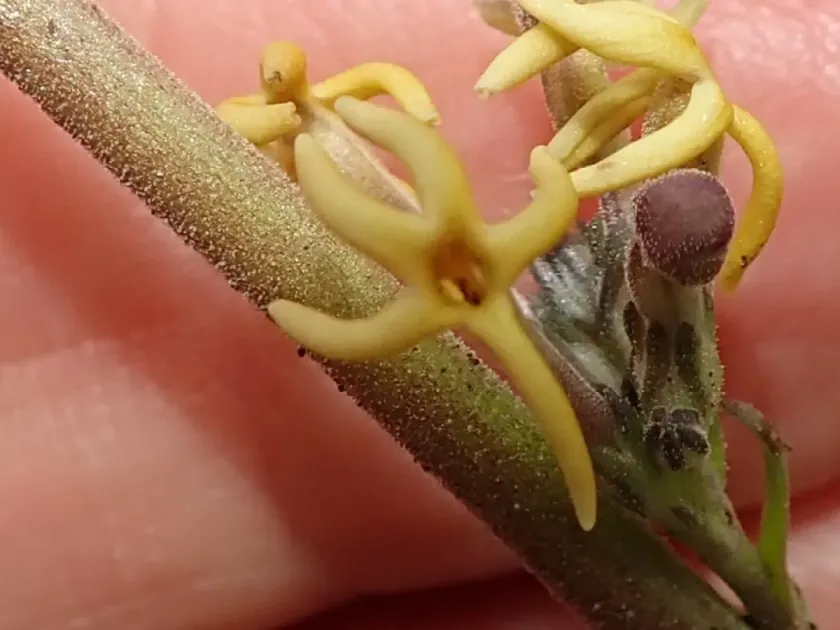
Manulea crassifolia produces compact rosettes of fleshy leaves, from which spikes of small, fragrant flowers emerge. To maximize the display of these inflorescences, the plants should be positioned in full sun, receiving at least six to eight hours of direct light daily.
Nutrient management involves applying balanced fertilizers with a focus on phosphorus and potassium to encourage blooming. Excessive nitrogen should be avoided, as it stimulates vegetative growth at the expense of flower development and shortens the plant’s longevity.
Main diseases and pests
The main threats to Manulea crassifolia primarily involve fungal issues associated with poor aeration or excessive humidity. Powdery mildew can appear on the leaves if the plant is grown in overly dense conditions with insufficient airflow between specimens.
Root pathogens, such as Phytophthora or Pythium, pose a significant risk if the soil remains waterlogged for extended periods. These diseases often manifest as yellowing of the lower foliage followed by sudden wilting, often occurring when drainage fails after heavy rain.
Pests like aphids may occasionally colonize the tender flower spikes. Regular scouting is essential for early detection, as aphids can cause deformation of the inflorescences and serve as vectors for various plant viruses that affect the Scrophulariaceae family.
Spider mites are another potential problem during hot, dry weather. They thrive in low-humidity conditions and feed on the underside of the leaves, resulting in speckled foliage and overall plant decline if left unchecked by integrated pest management practices.
Preventative measures include maintaining adequate spacing to ensure good ventilation and strictly adhering to watering regimes that allow the soil to dry out between sessions. If chemical intervention is required, selective and environmentally safe products are recommended.