
Manulea altissima
Manulea altissima
Description
Growing requirements
Manulea altissima is a herbaceous perennial plant belonging to the Scrophulariaceae family. Native to the diverse landscapes of Southern Africa, it has adapted to thrive in rocky soils and open, high-altitude terrain, showcasing significant resilience to arid conditions.
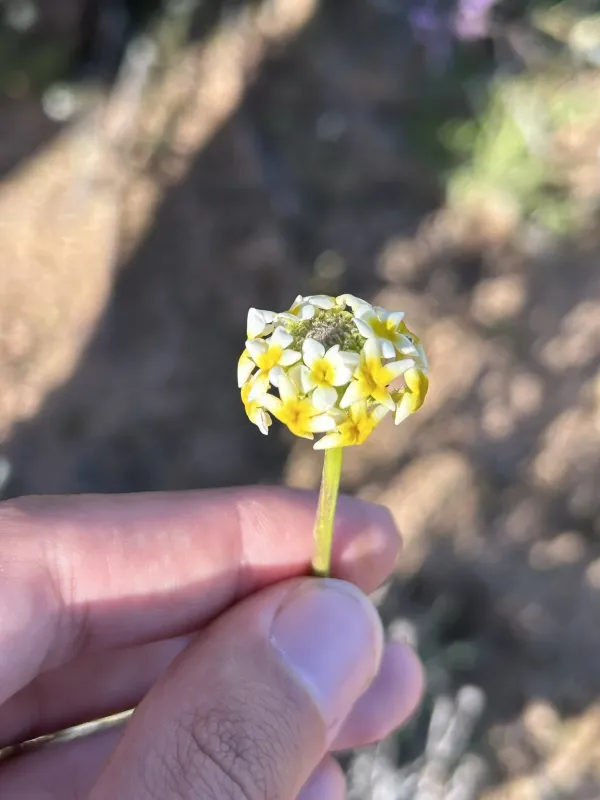
Botanically, the species is characterized by its elongated, upright stems and clustered inflorescences of small, fragrant flowers. The plant often features a basal rosette of leaves, which supports its structural stability during the vegetative growth phase.
Regarding climatic requirements, Manulea altissima prefers full sun exposure and well-ventilated areas. It performs best in Mediterranean or arid climates where the temperature remains stable and the risk of frost is minimal or non-existent during the growing season.
The soil profile must be sandy or gritty to facilitate rapid water drainage. In agricultural or garden settings, maintaining a low level of moisture is essential to simulate the plant's natural environment, as waterlogging will inevitably lead to root system failure.
In terms of usage, the plant is primarily utilized for ornamental purposes in rock gardens, xeriscapes, or specialized containers. Its compact habit and floral fragrance make it a valuable addition to landscapes that emphasize water-wise gardening techniques.
Main diseases and pests
The primary threats to Manulea altissima are fungal diseases related to excessive humidity, such as crown rot and root decay. Avoiding heavy, water-retaining soils is the most effective preventative measure against these pathogens.
Insect pests, specifically aphids and spider mites, pose a significant risk. These pests often congregate on the flower spikes, draining sap and leaving the plant susceptible to secondary infections or severe aesthetic damage.
Integrated pest management, including the use of horticultural oils or organic insecticidal soaps, is recommended to manage infestations without harming the plant's delicate structures. Regular monitoring is vital for effective intervention.
Powdery mildew can occur during periods of high humidity and stagnant air. Ensuring proper plant spacing and maintaining good air circulation within the garden bed helps mitigate the risk of fungal outbreaks significantly.
Environmental stress, particularly sudden drops in temperature or prolonged soaking rains, can weaken the plant's immune system. Pruning away damaged or yellowing stems during the season helps maintain plant health and encourages secondary blooming.