
Mahonia wagneri
Mahonia wagneri
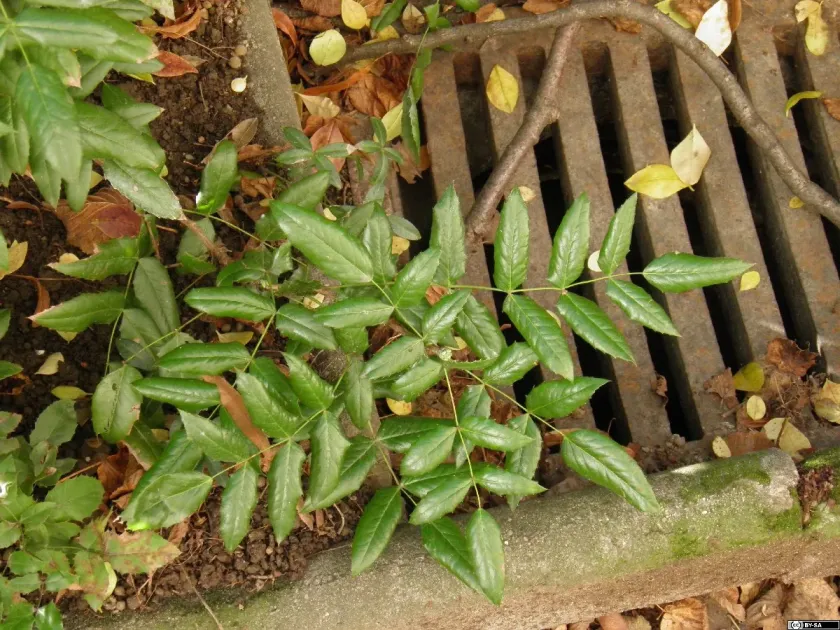
Description
Growing requirements
Mahonia wagneri is an evergreen shrub recognized as a natural hybrid between Mahonia aquifolium and Mahonia repens, belonging to the Berberidaceae family. This plant is valued for its dense, glossy foliage and its ability to maintain a compact, attractive appearance throughout the year.
The plant thrives in fertile, well-drained soils with moderate moisture levels. It prefers partial shade, as exposure to intense, direct sunlight can scorch its leaves, while excessive shade may lead to leggy growth and fewer flowers during the blooming season.
Climatic requirements involve protection from harsh, drying winds and extreme temperature fluctuations. Although Mahonia wagneri is considered hardy, young specimens require mulch coverage around the base during their first winter to protect the root system from freezing.
Maintenance includes consistent watering during dry spells and annual spring fertilization to support lush growth. Pruning should be carried out after the flowering period to maintain the desired shape and encourage the growth of new, healthy foliage for the next season.
In terms of agricultural and horticultural use, it is a staple in landscape architecture. It is widely used for creating low hedges, foundation plantings, and as a ground cover under larger trees, providing year-round interest due to its changing leaf colors and berries.
Main diseases and pests
Powdery mildew is the most common fungal issue, often triggered by poor air circulation and high humidity. Regular pruning of inner branches is essential to increase airflow and reduce the likelihood of fungal outbreaks within the shrub.
Rust infections can occur during wet and cool seasons, causing unsightly spots on the leaves. Infected leaves should be removed and disposed of properly to prevent the spread of spores to healthy parts of the plant.
Aphids are typical pests that infest the tender new growth in the spring. Using insecticidal soaps or neem oil is an effective way to manage these populations without damaging the plant's delicate tissues or the surrounding environment.
Sawfly larvae can cause significant leaf damage if left unchecked. A visual inspection of the foliage during the late spring months is recommended to ensure that any infestation is managed before significant defoliation occurs.
Root rot, caused by waterlogged soil, can be prevented by ensuring adequate drainage before planting. Selecting a suitable site that does not retain excessive water is critical for the long-term health and vigor of Mahonia wagneri.