
Siam mahonia
Mahonia siamensis
Description
Growing requirements
Siam mahonia (Mahonia siamensis) is a distinctive evergreen shrub belonging to the Berberidaceae family. It is native to the high-altitude regions of Southeast Asia, particularly Thailand, where it thrives in forest margins and mountain slopes.
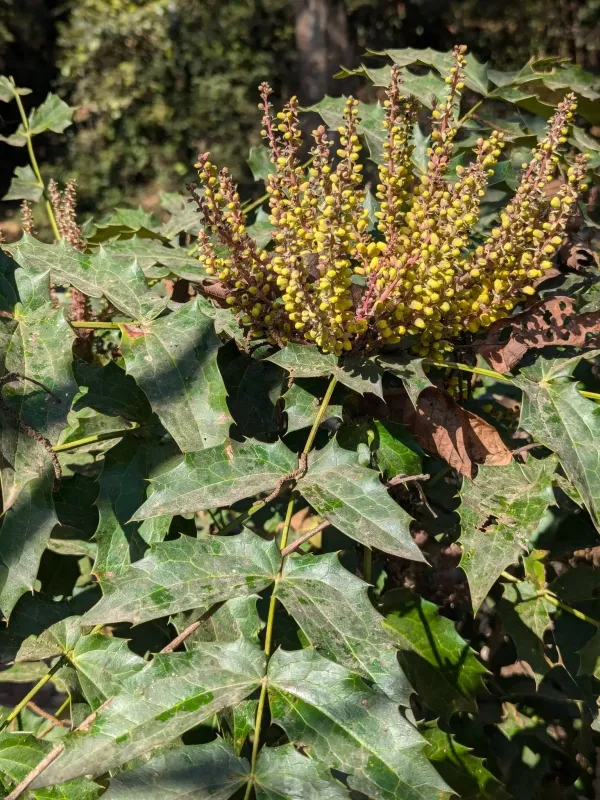
Botanically, this species is defined by its pinnate, spiny-edged leaves and spectacular spikes of golden-yellow flowers that typically bloom in the cooler season. The plant maintains a compact, upright growth habit, making it a valuable candidate for layered landscape designs.
To cultivate Mahonia siamensis successfully, growers must provide well-draining soil that is rich in organic matter. While the plant can tolerate various soil textures, it strictly requires excellent drainage to prevent root rot, which is a common cause of failure in poorly managed beds.
Climate preferences for this species lean towards stable, mild temperatures. It is not cold-hardy compared to temperate Mahonia species, and it requires protection from harsh, drying winds and extreme heat, thriving best under partial shade or filtered sunlight.
Horticultural use focuses on ornamental landscaping, where it is utilized for its year-round foliage color and attractive fruiting spikes. Beyond aesthetics, some local communities value the plant for its potential medicinal properties derived from the alkaloids present in its bark and roots.
Main diseases and pests
The primary health concerns for Mahonia siamensis include fungal leaf spots and powdery mildew. These issues are most prevalent in areas with high humidity or poor air circulation, necessitating strategic pruning to allow the plant to breathe.
Pest pressure is usually minor but can include spider mites during prolonged dry spells. Integrating a consistent watering schedule and using horticultural oils or soaps helps mitigate these infestations, ensuring the plant retains its glossy, evergreen aesthetic.