
Mahonia acanthifolia
Mahonia acanthifolia
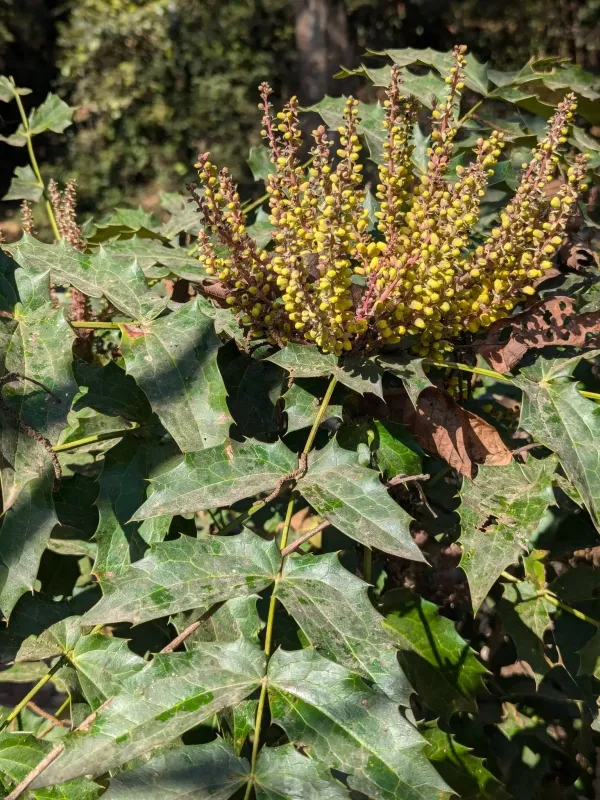
Description
Growing requirements
Mahonia acanthifolia is a distinguished evergreen shrub belonging to the Berberidaceae family. Originating from the Himalayan regions, this plant has gained popularity in various agricultural and horticultural systems due to its robust nature and year-round ornamental value.
The crop thrives in fertile, well-draining soils with a slightly acidic to neutral pH. It exhibits a preference for sheltered locations in partial shade, where it is protected from harsh winds that can desiccate the foliage during winter months.
Agronomic management involves regular maintenance of soil moisture, particularly during the establishment phase of young plants. Mulching with organic material is highly recommended to regulate soil temperature and prevent the growth of competitive weeds around the root zone.
Pruning should be performed annually to maintain the desired structure and to promote dense foliage growth. By removing dead or crossing branches, growers ensure better air circulation throughout the shrub, which is critical for overall plant health.
Climate adaptability is one of the key strengths of this species. While it is hardy, providing light winter protection in cooler regions can ensure the survival of younger plants and preserve the flower buds for the following spring season.
Yield
The agricultural value of Mahonia acanthifolia extends to its fruit production. The dark blue berries are rich in antioxidants and vitamins, making them a niche but valuable crop for producers interested in high-quality botanical ingredients for food processing.
Main diseases and pests
Common phytosanitary concerns include powdery mildew and rust diseases, which typically develop in conditions of poor air circulation or excessive leaf wetness. Ensuring proper spacing between plants is an effective strategy to mitigate the risk of these infections.
Pest management focuses primarily on controlling sucking insects, such as aphids and scale insects, which can weaken the plant and reduce its aesthetic and productive quality. Integrated pest management practices are recommended to maintain a healthy and sustainable crop.