
Mahonia sonnei
Mahonia sonnei
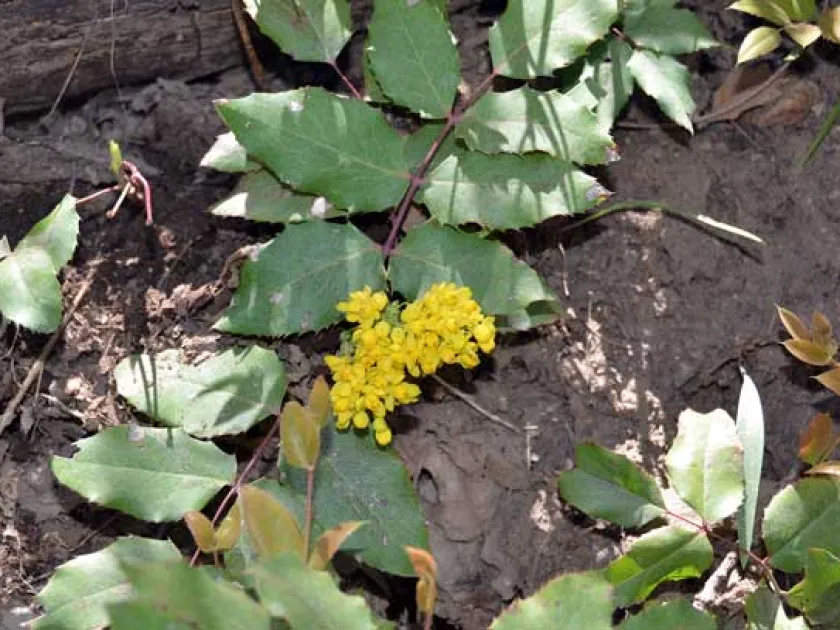
Description
Sowing dates
Planting Mahonia sonnei is primarily carried out in the spring when the soil has warmed up sufficiently, or in early autumn to allow the plant to root before the onset of persistent frosts.
Seed propagation requires mandatory stratification of seeds for several months at low temperatures, which is essential to increase the germination rate of the material.
For vegetative propagation, semi-hardwood cuttings are used, which are planted in a light, well-draining substrate under shaded greenhouse conditions.
An important factor during sowing or planting seedlings is the selection of the site: the crop prefers partial shade where direct sunlight does not scorch the evergreen foliage.
The distance between bushes in group plantings should be at least 1–1.5 meters to ensure sufficient air circulation and prevent overcrowding of the canopy.
Growing requirements
Mahonia sonnei belongs to the Berberidaceae family and is an ornamental evergreen shrub with high adaptability to various growing conditions.
The plant requires fertile, well-drained soils with a neutral or slightly acidic pH, as water stagnation in the root system can lead to the death of the seedling.
The crop demonstrates moderate frost resistance, however, in severe winters, it requires mulching of the root zone and covering the young canopy with non-woven fabric.
To maintain the decorative quality of the canopy and promote active growth, it is necessary to provide regular watering during dry periods, avoiding the complete drying out of the root ball.
Regular sanitary pruning helps shape the bush, removes dead branches, and stimulates the development of new growth, which is crucial for the plant's aesthetic appearance.
Main diseases and pests
The main threats to the health of Mahonia sonnei are fungal diseases such as powdery mildew and leaf spots, which occur due to high humidity.
Pests, including scale insects and various aphid species, can attack the shoots, sucking sap and suppressing the general condition of the shrub during the growing season.
Disease prevention consists of timely treatment with systemic fungicides and the removal of infected plant fragments before the infection spreads.
Pest control is carried out using broad-spectrum insecticides upon detection of the first signs of insect activity on the leaves.
Selecting the right site with good ventilation is the best preventative measure against most pathogens that affect this type of shrub.