
Macrozamia spiralis
Macrozamia spiralis
Description
Growing requirements
Macrozamia spiralis is a distinguished member of the Zamiaceae family, endemic to the coastal regions of New South Wales, Australia. It is a slow-growing cycad, highly prized by botanical enthusiasts for its structural beauty and evolutionary history.
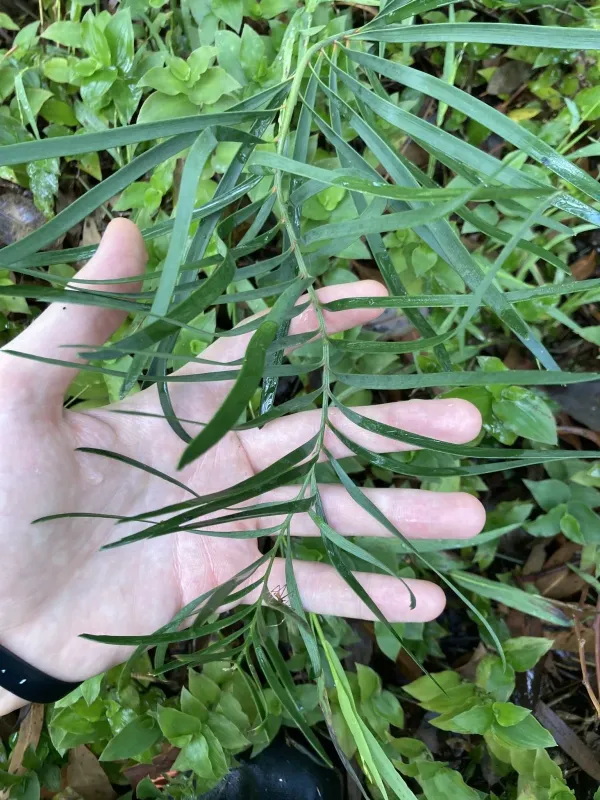
The plant features a subterranean or partially visible stem and rigid, dark green fronds that exhibit a distinct spiral arrangement. This anatomical structure is an adaptation to preserve moisture and minimize surface area exposure to intense light.
Success in cultivation requires a specialized drainage-focused approach. The potting medium must consist of a coarse, inorganic mix, such as grit, perlite, and sand, ensuring that irrigation water passes through almost instantly.
Regarding climate, the plant thrives in bright, filtered light conditions. It is sensitive to extreme frosts and requires stable, warm temperatures during the growing season to maintain its slow but steady metabolic rate.
In terms of agricultural and horticultural use, this species is primarily propagated for display in conservatories and private botanical collections. Due to its slow growth rate, the market availability is limited, necessitating conservation-minded propagation.
Main diseases and pests
Mealybugs are the most common pest observed on Macrozamia spiralis. These insects tend to hide in the tight bases of the fronds, requiring localized treatment with systemic agents to reach the protected colonies.
Root rot, driven by Phytophthora species, remains the primary cause of mortality in cultivated cycads. Maintaining an excessively damp environment is the fastest way to invite these fungal pathogens to destroy the root system.
Scale insects can also colonize the fronds, creating small, hardened patches that suck the sap. If untreated, heavy infestations can lead to leaf senescence and a weakened state, making the plant susceptible to secondary infections.
Leaf spot diseases are typically caused by humidity issues rather than direct pests. Ensuring consistent airflow around the foliage prevents the condensation that encourages bacterial and fungal spore germination.
It is critical to handle the plant with care, as it contains neurotoxic compounds like cycasin. This chemical makes the plant highly toxic if ingested by humans or livestock, requiring safe placement away from pets and pastures.