
Macrozamia riedlei
Macrozamia riedlei
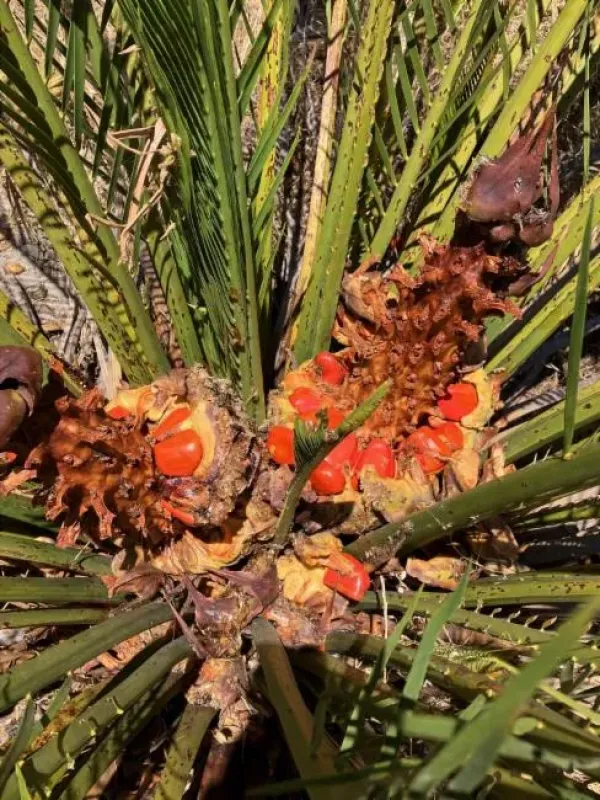
Description
Growing requirements
Macrozamia riedlei is a prominent species within the Zamiaceae family, endemic to the southwestern regions of Western Australia. As a primitive cycad, it occupies a significant niche in the sclerophyll forests of its native range.
Botanically, it is characterized by a thick, subterranean or slightly emergent trunk and long, pinnate leaves that display high resistance to environmental stress. The plant grows extremely slowly, often taking many years to reach a height of a few meters.
Agronomic success with this species depends heavily on soil composition. It requires deep, well-draining sandy or gravelly soils that prevent any form of moisture accumulation around the roots, as the plant is highly prone to rot.
Climatic requirements involve stable temperatures and high light intensity. While it can withstand periods of drought, consistent moisture during the initial establishment phase is necessary to encourage healthy root system development.
In modern land use, it is valued primarily for conservation and landscaping projects in regions with Mediterranean-type climates. Due to its slow growth rate, it is rarely utilized for rapid-turnover agricultural production.
Main diseases and pests
The most significant threat to the health of Macrozamia riedlei is the water mold Phytophthora cinnamomi. This pathogen causes root rot, which is often fatal and difficult to treat once established in the root zone.
Insect pests, particularly scale insects and mealybugs, frequently infest the foliage. These pests sap nutrients from the plant, potentially weakening it and making it more susceptible to secondary fungal infections.
Agricultural management must include periodic inspections for signs of yellowing or stunted new growth. Early detection of pest infestations is crucial for effective intervention using appropriate systemic pesticides.
The plant possesses natural chemical defenses, including toxins like cycasin, which can be fatal if ingested by livestock. Agricultural fencing is recommended if the plants are situated near areas used for grazing animals.
Maintenance should also focus on preventing physical trauma to the trunk, as any break in the outer bark can serve as an entry point for pathogens, leading to core rot that eventually destroys the entire plant.