
Macrozamia moorei
Macrozamia moorei
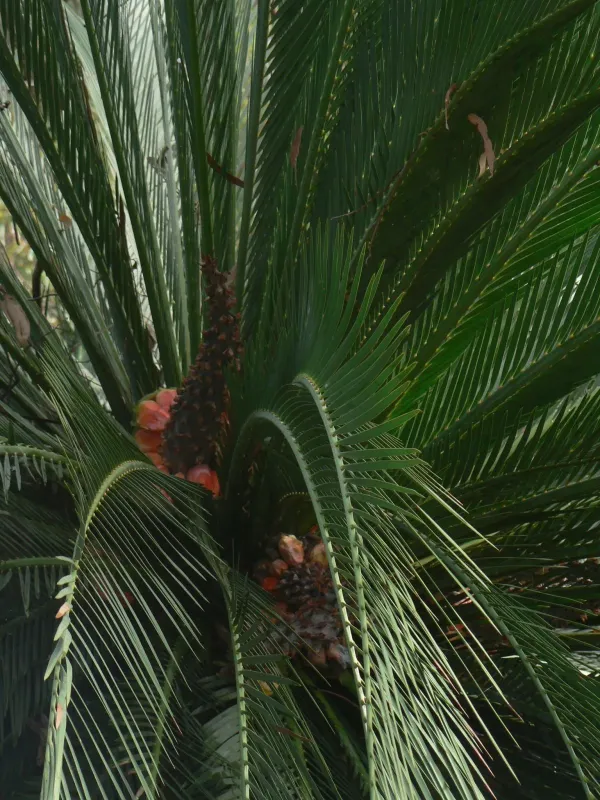
Description
Growing requirements
Macrozamia moorei, commonly known as the Murr's Macrozamia, is a prominent species within the Zamiaceae family. Native to the central Queensland region of Australia, this cycad is revered for its majestic size and architectural form in landscape design.
The plant features a robust, upright trunk that can grow up to 7 meters tall in its natural habitat, crowned by a majestic canopy of stiff, deep green, pinnate leaves. It is characterized by an extremely slow growth rate, often taking decades to reach maturity.
Cultivation requires well-draining, sandy, or volcanic soil to prevent water stagnation. Proper drainage is the most critical factor, as these plants are highly susceptible to root rot in waterlogged or heavy clay conditions.
The plant thrives in full sun to partial shade. While it shows some tolerance for mild frost, it is primarily suited for subtropical and warm temperate climates where temperature fluctuations remain within moderate limits throughout the year.
In terms of agricultural and horticultural utility, it serves as a high-end ornamental plant. Due to its sculptural appearance and durability, it is frequently used as a focal point in tropical-style gardens, conservatory displays, and specialized plant collections.
Main diseases and pests
Scale insects and mealybugs are the primary pests that affect this species. These insects tend to cluster in the protected areas at the base of the leaves, where they feed on the plant's sap and may eventually weaken the overall structure.
Root rot, primarily caused by fungal pathogens such as Phytophthora, is a major threat linked to poor soil management. This condition is often fatal because of the plant's inability to regenerate damaged root tissue quickly.
Sooty mold can develop on the foliage as a secondary result of insect infestation. The honeydew excreted by pests provides a medium for mold growth, which diminishes the plant's ability to photosynthesize effectively.
Environmental stress, such as extreme cold or prolonged excessive moisture, can predispose the plant to secondary infections. Maintaining a balanced climate is essential for preventing these biological stressors from taking hold.
Integrated pest management, including the use of horticultural oils and systemic fungicides when necessary, is recommended. Always ensure that the crown remains dry after irrigation to prevent fungal development in the central growth point.