
Macrozamia communis
Macrozamia communis
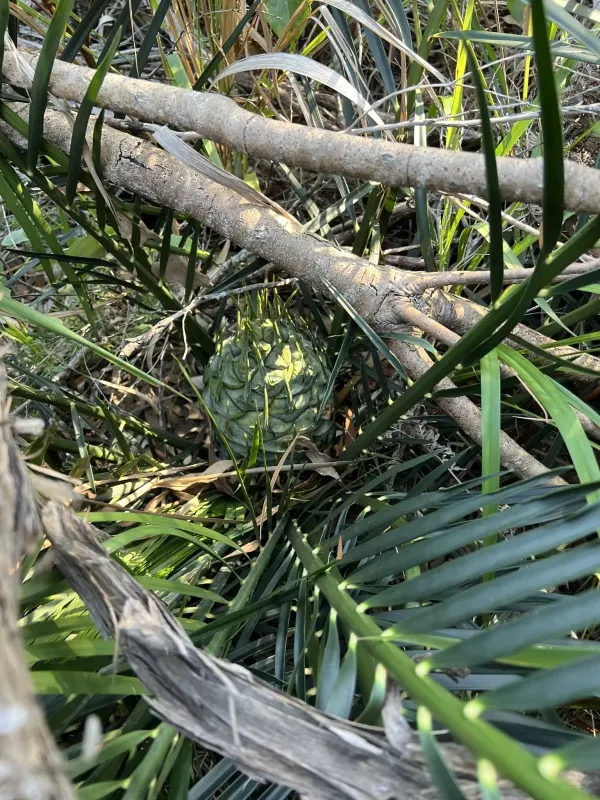
Description
Growing requirements
Macrozamia communis is a prominent species within the Zamiaceae family, known for its slow-growing, palm-like appearance and robust structure. This gymnosperm is highly valued in horticulture for its architectural aesthetic and historical evolutionary significance.
Native to the coastal and hinterland regions of New South Wales, Australia, this species naturally thrives in diverse environments, from nutrient-poor sandy soils to more fertile forest floors. Its adaptability to varying conditions makes it a popular choice for xeriscaping.
Successful cultivation requires soil with exceptional drainage capacity. The plant performs best in a gritty, free-draining medium that prevents the roots from sitting in water, which is critical to avoid root decay and other physiological disorders.
The cultural requirements include a position in full sun to partial shade. While Macrozamia communis is quite hardy and can withstand periods of dry weather, it prefers consistent moisture levels during the peak growing season to support the development of its rigid fronds.
The growth rate of this species is notably slow, often producing only a single flush of new leaves annually. Therefore, patience and a long-term approach to soil fertility and irrigation are essential for establishing a healthy, mature specimen.
Main diseases and pests
The primary insect threats to this cycad include mealybugs and scale insects. These pests often congregate near the crown of the plant, where they feed on sap and can cause significant foliage damage if left unchecked.
Root rot is the most serious threat, typically triggered by overwatering or poor drainage combined with high humidity. This condition is difficult to treat once established, making prevention through strict irrigation management the only effective strategy.
Leaf spot diseases, caused by various fungal pathogens, may occur in poorly ventilated environments or during periods of prolonged damp weather. Improving airflow around the plant is an effective way to minimize the risk of infection.
Toxicity is a major biological consideration for this plant. Macrozamia communis contains macrozamin, a potent neurotoxin found in its leaves and seeds, which poses a severe risk of poisoning to pets and livestock if ingested.
Integrated pest management, including regular visual inspection and the application of horticultural oils, is recommended. Always ensure that the growing environment mimics the plant's natural preferences to minimize biological stressors.