
Macrosolen retusus
Macrosolen retusus
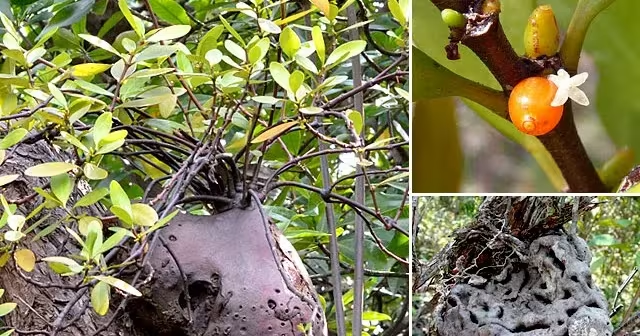
Description
Growing requirements
Macrosolen retusus is a unique semi-parasitic plant species belonging to the Loranthaceae family. While it is not a traditional crop, it serves as a significant subject for botanical research within the context of tropical epiphytic flora studies.
The plant functions by utilizing specialized organs called haustoria to anchor onto host trees. Through these structures, it taps into the xylem of the host to absorb water and essential mineral nutrients, while still maintaining its ability to perform photosynthesis through its green foliage.
The native distribution area of Macrosolen retusus is located within the tropical zones of Southeast Asia. It thrives in high-humidity mountain forests, where stable climatic conditions allow it to maintain its characteristic vegetative growth patterns year-round.
Its botanical features include thick, leathery leaves with a characteristically retuse or blunt tip. The tubular flowers are brightly colored, specifically adapted to entice native bird species that facilitate pollination and subsequent seed dispersal throughout the forest canopy.
Cultivation requirements involve maintaining an environment that replicates high-humidity tropical conditions. As an epiphyte, it does not require soil, but the health of the host tree or appropriate artificial support substrate is vital for its long-term survival.
Main diseases and pests
Fungal pathogens represent the primary threat to Macrosolen retusus, particularly when stagnant air causes excessive moisture to collect around the haustoria or leaf surfaces. This can lead to localized rot and eventual decline of the plant structure.
Insects such as scale insects and mealybugs can cause significant damage by feeding on sap from young stems and foliage. These infestations often weaken the plant's natural resistance and attract secondary bacterial infections.
Habitat loss resulting from deforestation and the removal of mature host trees remains the greatest environmental risk to wild populations of this species. Ecological shifts in moisture levels can also drastically reduce growth rates.
Control measures for pests include careful mechanical removal or the application of mild, plant-safe insecticides that do not interfere with the plant's delicate vascular connections to the host.
Regular monitoring of the host tree's health is essential for preventing premature dieback of the Macrosolen. Maintaining optimal ventilation is the best preventative strategy against most physiological diseases in controlled or botanical settings.