
Lyophyllum
Lyophyllum
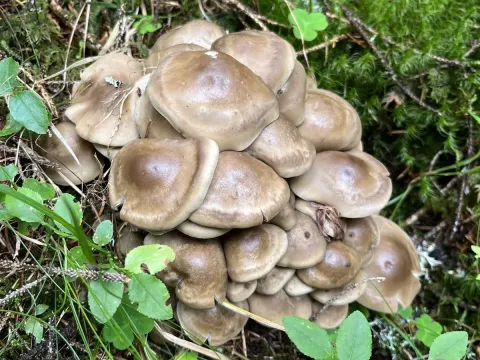
Lyophyllum is a genus of mushrooms in the Lyophyllaceae family, which requires specific conditions for successful indoor cultivation.
What the section contains


Lyophyllum
The substrate preparation involves using sterilized straw or hardwood sawdust enriched with nitrogen sources to ensure optimal growth.
Spawning is conducted in a sterile environment, where the grain spawn is thoroughly mixed with the prepared substrate to maximize colonization.
The incubation period requires total darkness and temperatures around 20-24 degrees Celsius until the substrate is fully white with mycelium.
Once colonization is complete, the process moves to the fruiting phase, which requires a change in light and temperature parameters.
The cultivation environment needs a high humidity level, ideally between 85% and 90%, to prevent the drying of young fruiting bodies.
Fresh air exchange is critical, as Lyophyllum is highly sensitive to high carbon dioxide concentrations, which can cause abnormal growth.
Temperature control is essential, with a significant drop to 12-16 degrees Celsius needed to trigger the development of mushroom pins.
Lighting should be indirect and consistent during the fruiting phase, as excessive exposure to direct light can damage the mushrooms.
Substrate pH levels should be maintained near neutral to ensure that the mycelium grows vigorously without competition from acidic soil pathogens.
The productivity of Lyophyllum varies depending on the strain, typically yielding around 20% of the substrate weight in fresh mushrooms.
Yields are typically harvested in multiple flushes, with the first and second flushes providing the most significant portion of the total crop.
Commercial growers use tiered shelf systems in climate-controlled rooms to maximize the output per square meter of growing area.
Effective management of the substrate moisture between harvests is crucial for the success of subsequent flushes of mushrooms.
Regular monitoring of the substrate condition allows growers to predict the timing of the next harvest window with high precision.
Common threats to the crop include mold infections, particularly Trichoderma, which can quickly consume the nutrient-rich substrate.
Sciarid flies and phorid flies are persistent pests that can destroy young mushrooms and carry pathogens across the growing area.
Bacterial diseases often appear as dark, soft spots on the caps, usually caused by stagnant water or poor air circulation during humid periods.
Maintaining high sanitary standards, including the use of HEPA air filters, is essential for keeping the production zone free of contaminants.
Crop management practices include quick removal of any contaminated blocks to prevent the spread of spores to the healthy mushroom crop.
Harvesting is performed by carefully cutting the mushrooms at the base before the veil breaks and the cap fully flattens out.
Proper harvest technique prevents damage to the underlying mycelial network, allowing the block to recover for the next flush.
Post-harvest handling involves immediate refrigeration to maintain the firm texture and delicate aroma that define high-quality Lyophyllum.
The culinary applications of Lyophyllum are vast, including gourmet frying and preservation, making it a valuable crop for the market.
After the final flush, spent mushroom substrate (SMS) should be properly disposed of or repurposed as soil conditioner in agriculture.