
Lyophyllum ulmarium
Lyophyllum ulmarium (Fr.) Kühn
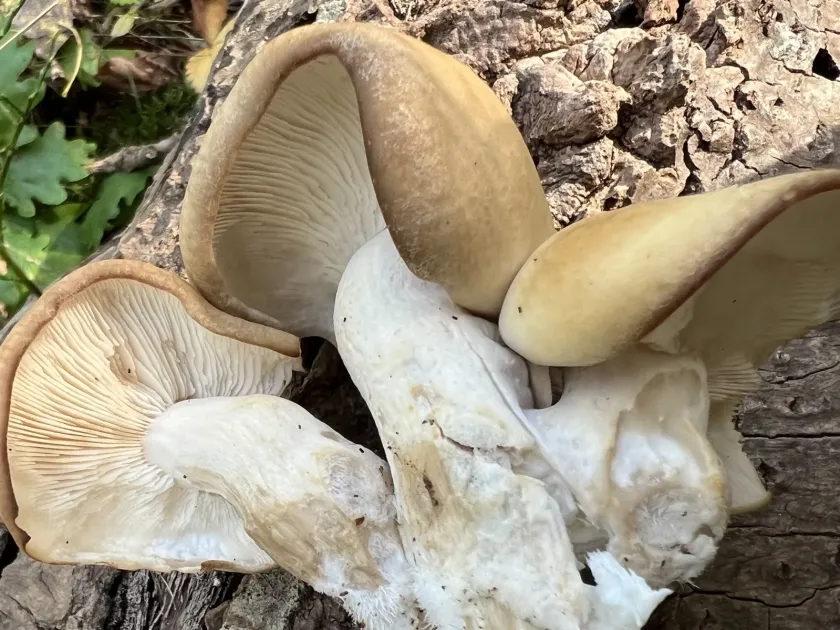
Description
Sowing dates
Lyophyllum ulmarium is a xylotrophic fungus, meaning it thrives on woody substrates. Successful cultivation depends on simulating its natural habitat by using sterilized hardwood sawdust or wood chips as the primary growth medium.
The process begins with the inoculation of a high-quality spawn into the prepared substrate. It is critical to ensure that the environment remains sterile during this phase to allow the mycelium to establish itself without competition.
For outdoor cultivation, the best time to inoculate logs or stumps is early spring. This allows the mycelium to fully colonize the wood before the winter season arrives, increasing the chances of a successful first harvest.
In indoor setups, inoculation can be performed year-round. The substrate should be packed into heat-resistant bags, pasteurized or autoclaved, and then cooled down before the spawn is introduced to prevent thermal damage to the mycelium.
The incubation period usually lasts several months in complete darkness. During this time, the mycelium will permeate the substrate, forming a dense white mat, which indicates that the block is ready for the fruiting stage.
Growing requirements
Environmental control is the most important factor in the productive life of Lyophyllum ulmarium. During the mycelial growth phase, the temperature should be kept stable, typically between 22 and 25 degrees Celsius.
To trigger the formation of fruiting bodies, the temperature needs to be lowered to approximately 12-16 degrees Celsius. This temperature shock mimics the seasonal changes that the fungus experiences in the wild.
Humidity levels must remain consistently high, between 85 and 90 percent. Use of automated humidifiers and regular monitoring is recommended to ensure that the delicate primordia do not dry out during development.
Adequate air exchange is essential to prevent CO2 buildup, which can cause the mushrooms to grow with malformed shapes. Fresh air should be introduced regularly, while keeping the humidity levels stable and controlled.
Lighting is also a necessary component once the mushrooms begin to form. Providing 8-10 hours of indirect or diffused light per day helps ensure the development of sturdy, well-shaped caps and prevents stems from becoming overly elongated.
Yield
The yield of Lyophyllum ulmarium is largely determined by the nutrient content of the substrate. Adding supplements like wheat bran or gypsum can significantly increase the total biomass produced per growth cycle.
This species typically produces mushrooms in distinct flushes. Each flush requires a rest period where the mycelium gathers energy for the next round of production, usually lasting around two to three weeks.
Effective colonization of the substrate is the strongest predictor of high yield. A healthy, thick mycelial growth prevents pathogens from gaining a foothold and ensures that all available nutrients are efficiently utilized by the fungus.
Average yield figures vary depending on the strain, but with proper intensive farming techniques, cultivators can expect robust returns. Consistency in climate control is the single best way to ensure stable yields over time.
Monitoring the moisture content of the substrate between flushes is vital. If the block becomes too dry, the subsequent flushes will be significantly reduced in size and quantity, impacting overall farm profitability.
Main diseases and pests
Trichoderma, or green mold, is the most common threat to Lyophyllum ulmarium cultivation. It thrives in the same conditions as the mushroom and can quickly destroy the substrate if not kept in check by strict sanitation.
Bacterial contamination can lead to slimy surfaces on the fruiting bodies. This condition is often caused by poor ventilation and excess moisture accumulating on the caps, making the mushrooms unmarketable.
Sciarid flies, or fungus gnats, are a frequent problem in indoor rooms. Their larvae feed on the mycelium and the developing mushrooms, causing severe damage and creating entry points for secondary infections.
Mites can also be devastating if introduced through poor-quality raw materials. Regular disinfection of all tools and surfaces is necessary to minimize the risk of spreading pests throughout the growing facility.
Biosecurity measures, such as air filtration and keeping the growing area free of debris, are the primary defenses against these threats. Healthy and vigorous mycelium often provides some natural resistance to minor infections.
Harvesting
Harvesting should occur when the caps are fully expanded but before they begin to curl upward or release spores. Harvesting at this stage ensures the best texture and prevents the quality from degrading.
Using a sharp knife, harvest the mushrooms by cutting them at the base of the stem. It is important to avoid pulling the mushrooms, as this can disturb the underlying mycelium and damage the block.
Immediately after harvest, mushrooms should be stored in a refrigerated environment to extend their shelf life. Lyophyllum ulmarium is known for its mild flavor, which remains consistent if kept at 2-4 degrees Celsius.
Avoid washing the mushrooms before storage, as excess moisture will significantly speed up the decomposition process. Cleaning should be done by brushing off any residual substrate particles with a soft brush.
For longer-term preservation, these mushrooms can be sliced and dried, or blanched and frozen. Their firm texture makes them a versatile ingredient in various culinary applications, maintaining their quality through these methods.