
Lyophyllum shimeji
Lyophyllum shimeji (Kawamura) Hongo
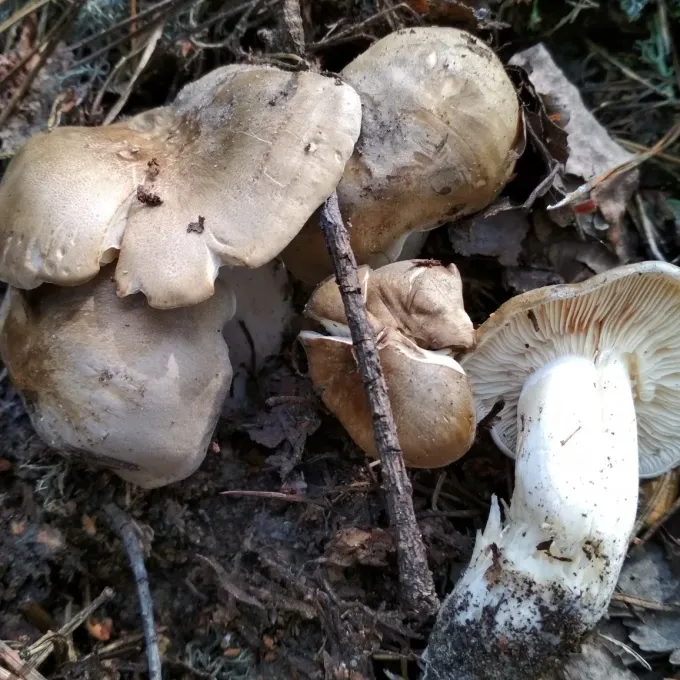
Description
Sowing dates
Lyophyllum shimeji is a rare edible mushroom species belonging to the Lyophyllaceae family. In its natural habitat, it acts as a mycorrhizal symbiont, which makes large-scale artificial cultivation a significant challenge, as it typically requires association with the root systems of specific tree species.
The inoculation process requires strictly sterile laboratory conditions to prevent contamination by aggressive opportunistic molds. The growing medium must be meticulously formulated to replicate the composition of forest leaf litter combined with woody organic matter.
Successful incubation relies on the use of high-quality mycelium cultures. The initiation phase for colonization can last several months, demanding patience and precise climate management to ensure the mycelium network establishes itself firmly within the substrate.
During the sowing stage, it is critical to maintain a consistent temperature between 15 and 20 degrees Celsius. Deviations from this range can severely inhibit the vegetative growth of the mycelium and lead to failure in the development of future primordia.
Because of its symbiotic nature, some experimental cultivation methods involve inoculating the soil around established pine or oak tree roots. This technique mimics the forest ecosystem, providing the essential biological environment that the fungus requires to produce fruiting bodies.
Growing requirements
The climate requirements for Lyophyllum shimeji include a stable, temperate environment with minimal temperature fluctuations. High relative humidity, ideally between 85% and 90%, is necessary during the fruiting phase to prevent the young mushrooms from drying out.
The substrate must have a slightly acidic to neutral pH and excellent structural aeration. It is vital to avoid excessive salinity or chemical fertilizers, as the sensitive mycelium can be easily damaged by imbalances in the nutrient medium.
Lighting conditions should be kept low and indirect. While the mushroom does not require photosynthesis, diffuse light helps regulate the formation and color of the caps, preventing the etiolation that occurs in total darkness.
Water quality is paramount; the water used for irrigation must be free of chlorine and heavy metal contaminants. Regular monitoring of substrate moisture levels is essential to prevent waterlogging, which can lead to rapid decay of the delicate mycelial structure.
Sanitation within the growing facility is a major requirement for successful production. Air filtration systems are necessary to remove airborne pathogens, and strict hygiene protocols must be followed by personnel to prevent the introduction of competitors into the growing zones.
Yield
The yield of Lyophyllum shimeji in controlled agricultural settings is generally low compared to fast-growing saprotrophic species like oyster mushrooms. This limitation is due to the complex energy demands and the slow, biological development cycle inherent to this species.
Productivity is highly dependent on the precision of the climate control systems used during the cultivation process. Mycelium recovery periods between harvest waves are essential, and over-harvesting can quickly exhaust the substrate, leading to a decline in future yields.
Optimal yields require the use of sophisticated equipment to balance atmospheric pressure, airflow, and humidity. Experts recommend frequent observation of the substrate to determine the ideal moment for triggering the fruiting phase through minor temperature adjustments.
Each individual mushroom is relatively small, necessitating significant manual labor during the harvest period. The economic value of the crop is driven by its rarity and exquisite culinary characteristics rather than high volume, justifying the high investment in production.
Research into the use of specialized organic supplements to increase yield is ongoing. However, these supplements must be balanced carefully to ensure they do not encourage the growth of pathogenic bacteria, which thrive in nutrient-rich environments.
Main diseases and pests
The most significant threat to Lyophyllum shimeji production is competition from other fungi, particularly Trichoderma species. Once a substrate is infected by these molds, the Lyophyllum mycelium is quickly outcompeted and dies.
Pests, such as sciarid flies and fungus gnats, represent a major concern during the pinning and fruiting stages. Their larvae tunnel into the mushroom tissues, rendering the product unmarketable and acting as vectors for bacterial diseases.
Bacterial soft rot is a common issue when humidity is too high or air circulation is poor, causing stagnant moisture to settle on the caps. This condition results in soft, discolored, and foul-smelling mushrooms that must be immediately discarded.
Nematodes are another hidden threat that can devastate a crop by destroying the fine mycelium threads beneath the substrate surface. Detection is difficult, often leading to sudden, unexplained drops in production that are hard to reverse.
Prevention involves a proactive approach to cleanliness, including the heat-treatment of all raw materials before they enter the growth rooms. Biological control agents may be used as a safer alternative to synthetic pesticides, which are generally avoided in mushroom farming.
Harvesting
Harvesting Lyophyllum shimeji is a delicate task performed entirely by hand. The mushrooms should be picked when the cap is fully formed but before it flattens out, as this is when the texture is most firm and the culinary appeal is at its highest.
Harvesters must exercise extreme caution to avoid damaging the surrounding primordia and the mycelial base during the removal process. Careful twisting and pulling are standard techniques used to ensure minimal disruption to the growing medium.
Post-harvest handling is critical, as the mushrooms are highly perishable. After collection, they are cleaned of loose substrate, sorted by size, and immediately chilled to slow down their metabolic processes and extend shelf life.
Storage requires breathable containers placed in cool, refrigerated environments. Proper airflow during transport is essential to prevent condensation, which can accelerate the spoilage of the harvested mushrooms.
Due to the uneven maturation rate, harvesting is a continuous, day-to-day operation. Professional growers keep detailed records of the maturity and volume of each batch to ensure that every harvest is collected at the peak of its potential quality.