
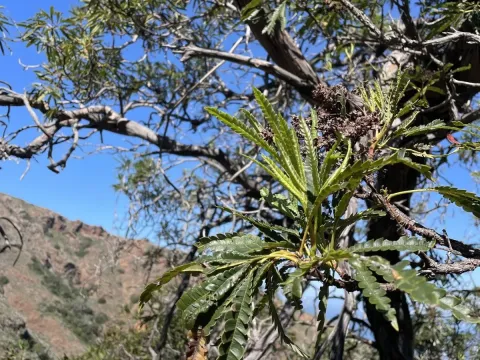
Lyonothamnus
Lyonothamnus
Lyonothamnus, commonly known as Catalina ironwood, is a unique genus of evergreen trees belonging to the Rosaceae family. Native exclusively to the Channel Islands of California, this plant is highly prized for its distinct fern-like foliage and attractive, peeling reddish bark.
What the section contains

Lyonothamnus
The culture thrives in Mediterranean climates, characterized by warm, dry summers and mild, wet winters. It is sensitive to extreme frost, which limits its outdoor cultivation to regions that mimic its natural island habitat or USDA zones 9–10.
Soil requirements for Lyonothamnus center on excellent drainage. It prefers well-aerated, rocky, or sandy soil compositions. In agricultural settings, it is crucial to avoid heavy clay soils, which can lead to root asphyxiation and eventual plant failure due to saturated conditions.
Sunlight is a critical factor for successful growth. The tree requires full sun exposure to maintain its structural integrity and dense canopy. In lower light levels, the tree becomes leggy and loses its aesthetic appeal, often leading to reduced vigor and increased susceptibility to diseases.
While mature trees are remarkably drought-tolerant, young specimens require consistent moisture to establish their root systems. Strategic irrigation practices, paired with the application of inorganic mulches, can significantly improve survival rates and growth vigor during the first two years.
The primary threats to Lyonothamnus are root rot diseases caused by soil-borne pathogens like Phytophthora, which thrive in poorly drained soils. Implementing strict water management and soil sterilization in container nurseries is essential for preventing these outbreaks.
Insect pests, such as aphids, mites, and scale insects, frequently target the succulent growth of young trees. Integrated pest management, including the use of horticultural oils and natural predators like ladybugs, is highly effective in maintaining tree health.
Fungal leaf spots can occur in regions with high humidity or poor air circulation. Improving spacing between trees and performing selective pruning to open the canopy significantly reduces the risk of foliage disease and promotes overall plant hygiene.
Mineral deficiencies often manifest as chlorosis on the leaves, especially if the soil pH is not within the optimal range. Regular soil testing and targeted nutrient application are recommended to ensure optimal growth and prevent metabolic disorders in the tree.
Bark health is an indicator of the tree's overall status. Damage to the bark, whether from pests or physical impact, should be monitored closely, as it can expose the xylem to wood-boring insects and decay-causing fungi that compromise the tree's long-term stability.