
Catalina ironwood
Lyonothamnus floribundus
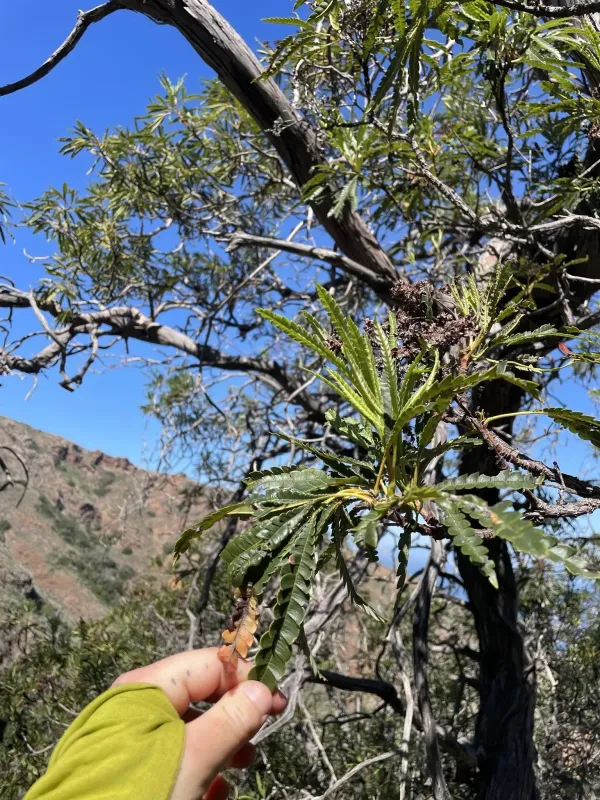
Description
Growing requirements
Catalina ironwood (Lyonothamnus floribundus) is a rare evergreen tree native to the Channel Islands of California, belonging to the Rosaceae family. It is renowned for its distinctive shredding bark and fern-like foliage.
The plant thrives in Mediterranean-type climates, characterized by wet winters and dry summers. It is best suited for USDA hardiness zones that provide protection from deep frosts, as the species is sensitive to extreme cold.
Soil requirements focus on drainage. The species naturally grows in rocky, well-draining soils; therefore, gardeners must ensure that planting sites or containers do not allow water to pool around the roots.
Sunlight exposure should be full and direct to maintain the tree's health and density. Inadequate light results in a sparse canopy and reduces the intensity of its profuse white flowering season.
Economically, it is highly valued in horticulture and landscape design as an ornamental specimen. Its structural aesthetic and rapid growth rate in suitable climates make it a favorite for Mediterranean-style gardens.
Main diseases and pests
Phytophthora root rot is the most significant threat to this species, usually triggered by waterlogged soils or heavy clay environments. Preventive measures include ensuring perfect drainage before planting.
Pests such as aphids and scale insects can affect new growth. Monitoring for early signs of infestation and applying horticultural oils or systemic treatments is recommended to maintain the tree's vigor.
Fungal leaf spots can develop in conditions with poor air circulation. Providing adequate space between plants and maintaining a clean growing area significantly reduces the risk of such infections.
Susceptibility to moisture-related pathogens necessitates a careful irrigation strategy. Avoid overhead watering to keep foliage dry and prevent the conditions that favor fungal development.
Routine sanitation, including the removal of dead or crossing branches, is essential to allow light and air to penetrate the center of the canopy, which promotes overall tree vitality.