
Loudetia simplex
Loudetia simplex
Description
Growing requirements
Loudetia simplex, commonly known as common golden grass or russet grass, is a perennial plant belonging to the Poaceae family. It is a dominant species in many African savannas and is highly regarded for its adaptation to challenging environmental conditions.
This species naturally occurs in a variety of habitats, including rocky outcrops, seasonally dry savannas, and woodlands. It thrives in soils with low nutrient content, making it a valuable plant for land restoration and extensive livestock grazing in regions where other crops fail.
Climate requirements for this plant are centered around high solar radiation. It is remarkably drought-tolerant, surviving long dry spells by entering a state of dormancy, and resumes rapid growth immediately upon the arrival of the rainy season.
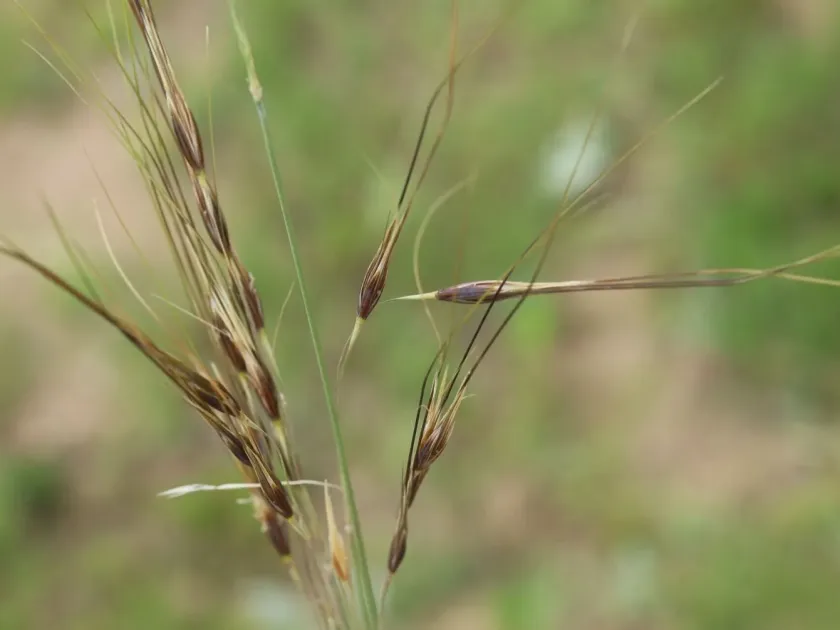
Botanically, Loudetia simplex is characterized by stiff, tufted culms and narrow, rough leaves. Its root system is deep and expansive, allowing the plant to draw nutrients from deep soil layers and maintain structural integrity during intense seasonal changes.
In agricultural practice, its primary use is as a grazing resource. While it provides essential forage, it is most nutritious in its early vegetative stage. As the plant matures, the tissue becomes coarse and fibrous, which is a common trait of grasses in its native habitats.
Main diseases and pests
Loudetia simplex is known for its robust health and general resistance to most common crop pathogens. It is rarely affected by major agricultural diseases, largely due to its ecological niche and evolutionary adaptations to natural stressors.
Insects like grasshoppers can cause occasional damage to the foliage, but such incidents rarely reach economic threshold levels. The plant's ability to recover quickly from foliage removal is a key factor in its persistence in the savanna ecosystem.
Environmental stress, particularly prolonged flooding or waterlogging, can induce root rot. However, because the plant is adapted to well-drained, often stony soils, this is rarely an issue in properly managed pastures.
Overgrazing poses the greatest threat to its density. If the vegetation is consumed too frequently without periods of rest, the plant may lose its vigor and be overtaken by invasive shrubs or less desirable weed species.
Strategic management of grazing intensity and fire cycles is the most effective way to prevent the buildup of pathogens and maintain the productivity of the grassland.