
Lophocereus schottii
Lophocereus schottii
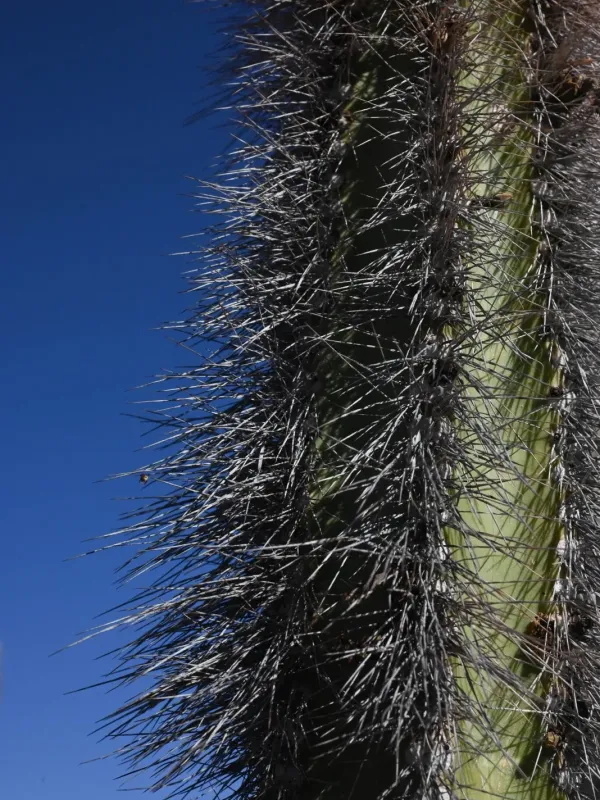
Description
Growing requirements
Lophocereus schottii is a prominent member of the Cactaceae family, widely known for its columnar growth habit. It is an extremely resilient succulent that is highly valued for both ornamental and ecological purposes in arid landscapes.
Originating from the desert regions of Baja California and Sonora in Mexico, as well as parts of Arizona, this species thrives in environments with high heat and intense light levels. Its natural habitat is characterized by poor, rocky soils and sparse rainfall.
When cultivating this species, soil composition is critical. Growers should utilize a highly porous, gritty mineral-based substrate that allows for rapid drainage. Compaction of the soil must be avoided at all costs to prevent root rot.
Temperature requirements involve warm summer months to facilitate growth and a cool, dry winter period to induce dormancy. Proper air circulation is mandatory to prevent the buildup of humidity around the succulent's surface.
Watering practices should mimic the plant’s natural cycle. During the growing season, deep but infrequent watering is recommended, while the plant should be kept almost completely dry throughout the colder months to prevent physiological stress.
Main diseases and pests
Root rot caused by fungal pathogens is the most significant threat to the survival of Lophocereus schottii. This condition usually results from improper irrigation practices, specifically when the soil stays moist for extended periods during low light or cold conditions.
Pests such as mealybugs and spider mites are common enemies. Mealybugs tend to congregate in the protected areas of the ribs, making them difficult to eradicate without systemic treatments or manual intervention using isopropyl alcohol.
Bacterial infections can enter through minor abrasions on the cactus's skin. It is crucial to handle the plants with care to avoid creating wounds that could provide an entry point for pathogens, which can lead to localized necrosis.
Sunburn can occur if plants grown in shade or indoor conditions are suddenly moved into direct, harsh sunlight. Gradual acclimation is essential for maintaining the integrity of the epidermis and preventing lasting damage.
General hygiene in the cultivation area, including the use of sterilized tools and ensuring adequate spacing between plants, significantly reduces the risk of spreading infections and infestations throughout the greenhouse or farm.