
Lophocereus marginatus
Lophocereus marginatus
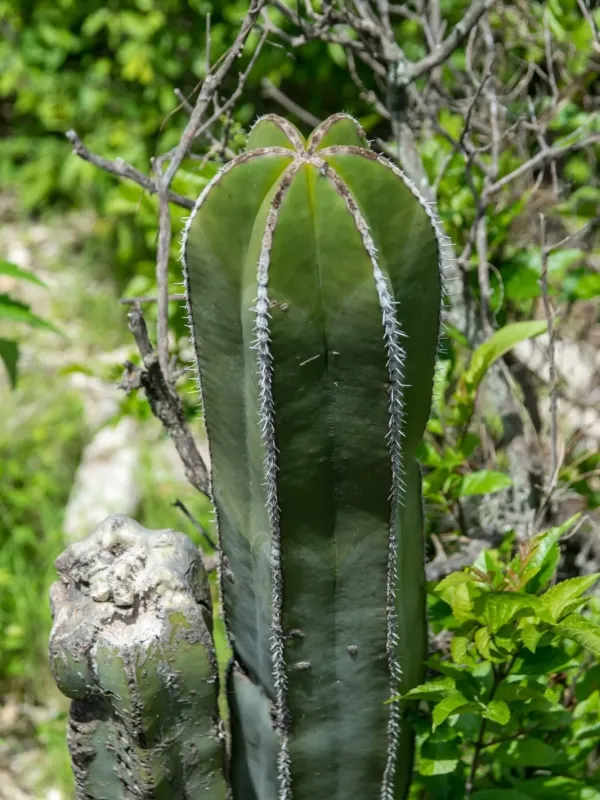
Description
Growing requirements
Lophocereus marginatus, commonly known as the Mexican fence post cactus, belongs to the Cactaceae family. This columnar cactus is highly valued for its striking, architectural stems that can grow quite tall, making it a popular choice for xeriscaping.
The species originates from the arid regions of Mexico. It is perfectly adapted to desert environments, thriving under full sun and high temperatures, which are essential for its natural biological cycles and steady growth rate.
Soil requirements for this crop involve well-draining mineral-based media. It performs best in sandy or rocky soils that prevent water retention around the root zone, as the plant is highly susceptible to root decay in heavy, organic-rich soils.
Agricultural practices require consistent exposure to direct sunlight. Lack of adequate light will lead to etiolation, where the cactus becomes weak, thin, and loses its characteristic columnar shape, significantly reducing its economic and aesthetic value.
Watering management should focus on the "soak and dry" method during the growing season. In winter, the plant enters a state of dormancy and requires very little to no water to survive the colder, inactive phase of its development.
Main diseases and pests
The primary threats to Lophocereus marginatus are fungal pathogens, specifically those causing root and stem rot. These occur predominantly when the soil remains too wet for extended periods or when ambient humidity is excessively high.
Mealybugs are a significant pest that tends to hide in the deep areoles between the ribs of the cactus. These sap-sucking insects can severely weaken the plant and are often difficult to eradicate without specific systemic insecticides.
Spider mites can also cause substantial damage by feeding on the surface tissues of the stem, leaving behind discolored patches. This usually happens in low-humidity environments, necessitating careful monitoring of the microclimate.
Root-knot nematodes can inhibit nutrient uptake and stunt growth. To mitigate these risks, growers should ensure that the growing medium is sterilized and that sanitary practices are maintained throughout the cultivation cycle.
Effective management strategies include the regular application of specialized fungicide treatments and maintaining good air circulation around the plants to prevent the formation of damp, disease-conducive pockets within the crop rows.