
Willow-leaved privet
Ligustrum salicinum
Description
Growing requirements
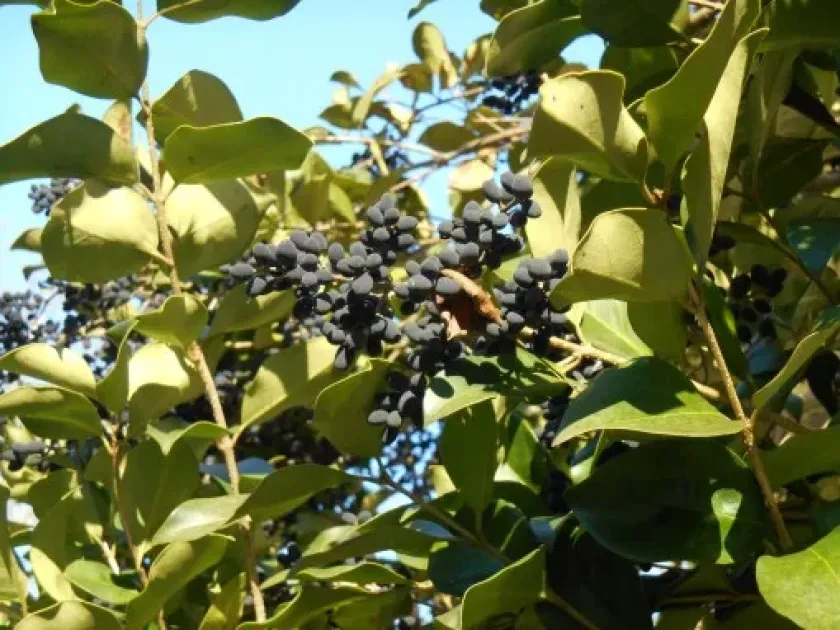
Willow-leaved privet (Ligustrum salicinum) is a perennial woody shrub belonging to the family Oleaceae. It is recognized for its elongated, slender leaves that resemble the foliage of a willow tree, providing a graceful aesthetic to garden borders.
The species originates from East Asia, where it thrives in temperate and subtropical climates. In an agricultural context, it is cultivated primarily for its structural contribution to landscaping and its high tolerance for various urban environmental conditions.
For successful cultivation, the plant requires fertile, well-draining soil with a pH ranging from neutral to slightly alkaline. Adequate sunlight is essential for maintaining the density of the foliage, although the plant can tolerate partial shade during intense summer heat.
Agricultural management requires consistent moisture, especially during the establishment phase. Pruning is a critical agrotechnical intervention, as the species responds exceptionally well to shearing, making it a preferred choice for topiaries and dense hedges.
The primary horticultural use of Ligustrum salicinum is the creation of living screens and windbreaks. Its ability to thrive in managed landscapes makes it a sustainable choice for ecological restoration and urban greening projects in appropriate hardiness zones.
Main diseases and pests
Common pathological threats include fungal infections such as powdery mildew and root rot, which are often exacerbated by poor drainage and limited air circulation within the shrub canopy. Site selection and proper spacing are critical for preventing disease spread.
Insect pests, including aphids and various species of mites, can compromise the aesthetic and biological vigor of the plant. Integrated pest management strategies, focusing on early detection and targeted treatments, are essential to maintain plant health throughout the season.