
Wild leek
Allium ampeloprasum L. var. ampeloprasum
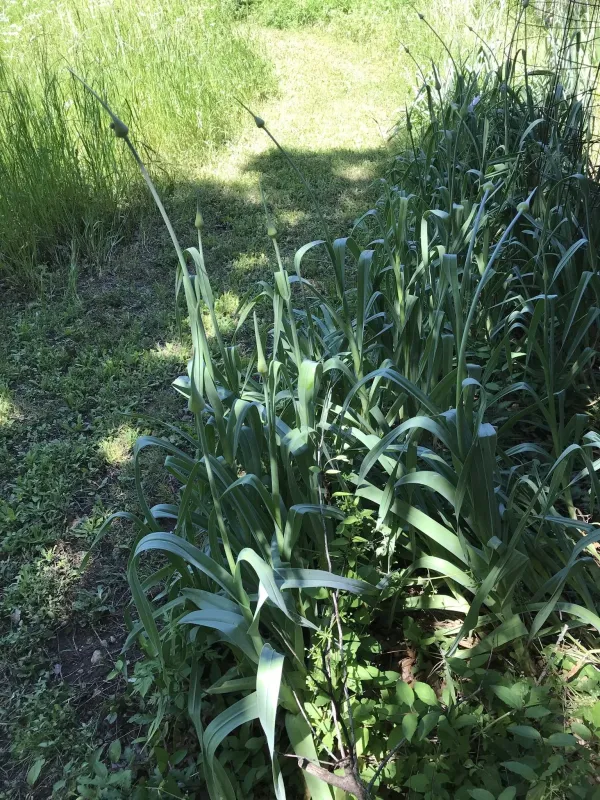
Description
Sowing dates
Wild leek, botanically known as Allium ampeloprasum, is a perennial plant belonging to the Amaryllidaceae family. In agricultural practices, it is often cultivated as a biennial crop for its edible stems and bulbs.
Seeds should be sown in early spring as soon as the soil temperatures reach at least 5-8 degrees Celsius. Autumn sowing is also a viable option in milder climates to establish stronger roots before the next growing season.
Vegetative propagation is commonly performed using offsets or bulblets that form around the mother bulb. These should be planted at a depth of 5 to 8 centimeters to ensure proper development.
Adequate spacing is crucial for plant health; seedlings or bulblets should be planted 15 centimeters apart, with rows spaced at least 30-40 centimeters to allow for optimal airflow.
Preparing a clean, weed-free seedbed with fine soil structure is essential for high germination rates and uniform growth in the early stages of development.
Growing requirements
This crop thrives in sunny locations with fertile, well-drained loamy or sandy soils. It is highly sensitive to waterlogging, which can rapidly lead to root rot and loss of the crop.
The optimal pH range for wild leek cultivation is between 6.0 and 7.0. Soil testing is recommended, and lime may be added if the soil is too acidic to reach the desired range.
While the plant is quite cold-hardy, in regions with severe winters and no snow cover, it is advisable to use organic mulch to protect the soil and the plant crown from freezing.
Regular but moderate irrigation is required throughout the growing season. It is vital to avoid excessive moisture around the base of the plant to prevent the spread of fungal pathogens.
Balanced fertilization with phosphorus and potassium is beneficial during the bulb formation stage, while nitrogen should be managed carefully to support leafy growth without compromising bulb quality.
Yield
The yield of Allium ampeloprasum varies based on soil fertility, moisture availability, and the duration of the growing season. It is a highly productive crop when managed with consistent care.
Both the blanched white stems and the bulbs are harvested for culinary purposes, offering a distinct, mild garlic-like flavor that is highly valued in various cuisines.
Hilling up the soil around the base of the plants is a common technique used to blanch the stems, making them more tender and attractive for fresh market sales.
Early harvest of green shoots allows for multiple uses of the crop throughout the season, significantly increasing the total output per unit area of the garden or field.
Proper harvesting techniques and post-harvest handling ensure that the final product maintains its crisp texture and flavor profiles for consumers.
Main diseases and pests
The most significant pest for this crop is the onion fly, which lays eggs near the plants. The resulting larvae can burrow into the stems and bulbs, causing severe damage or total plant loss.
Fungal diseases such as downy mildew are common, especially when humidity levels are high and planting density is too thick, preventing proper evaporation of moisture.
- Practicing strict crop rotation (at least 3-4 years) to reduce soil-borne disease pressure.
- Selecting healthy, disease-free planting material to avoid introducing pathogens.
- Maintaining good spacing to ensure effective airflow and rapid leaf drying.
Regular monitoring of the fields for early signs of yellowing leaves or wilting is necessary to intervene before an infestation or infection spreads across the plot.
Promptly removing and destroying any infected plant material is an essential sanitation practice to keep the field healthy throughout the growing season.
Harvesting
The best time to harvest is when the leaves begin to yellow and fall over, indicating that the plant has reached maturity and the bulbs are fully developed for storage.
Harvesting should be done using garden forks to lift the bulbs gently from the soil, preventing mechanical damage that could lead to rot during the storage period.
After lifting, the bulbs should be left in a dry, shaded place for several days to cure, which helps seal the outer skins and improves their shelf life significantly.
Storage requires a cool, dry, and well-ventilated environment. When stored properly, wild leek bulbs can last for several months while maintaining their nutritional quality.
Before putting them into long-term storage, remove the dried roots and excess foliage, leaving only a short stem section to ensure the bulbs remain intact and ventilated.