
Leucobryum juniperoideum
Leucobryum juniperoideum
Description
Growing requirements
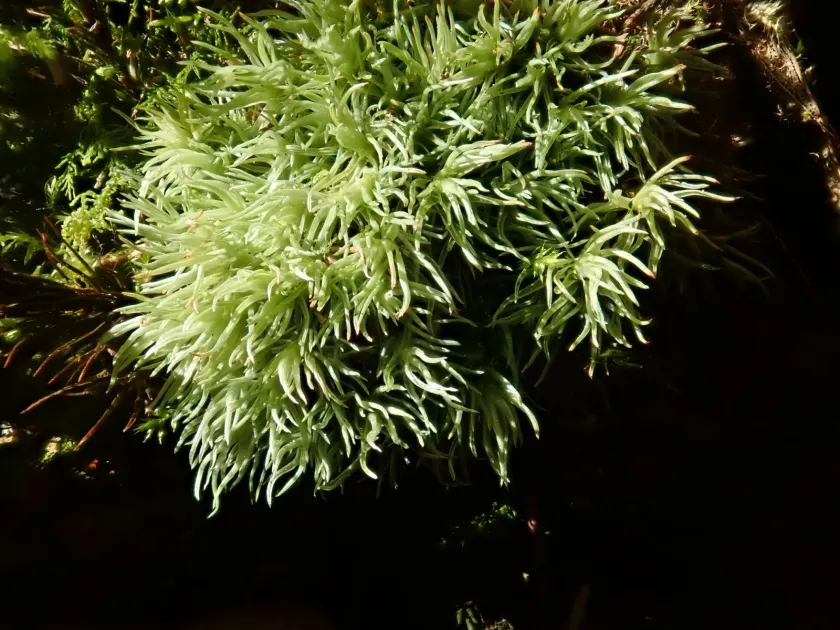
Leucobryum juniperoideum is a species of moss in the family Leucobryaceae. It is well-known for forming compact, cushion-like structures that add a lush, green texture to natural and artificial landscapes.
This moss species is native to temperate forests, where it thrives on moist, acidic surfaces such as rotting logs, damp soil, or the base of tree trunks. It is highly adapted to shaded forest floors.
To cultivate this species, high humidity levels are essential. It absorbs water through its leaves, making misting or a high-humidity environment critical for maintaining its vibrant green color and health.
The soil requirement focuses on acidity and organic matter. Peat-based substrates or shredded conifer bark work best, as they mimic the natural environment and provide necessary drainage while retaining moisture.
Temperature management is crucial as well. The moss prefers cool to moderate temperatures and suffers significantly if exposed to heat stress or direct, scorching sunlight.
Main diseases and pests
The primary threat to the vitality of the moss is rapid drying. Once the moisture level drops below a certain threshold, the moss turns brown and loses its ability to photosynthesize effectively.
Fungal infections represent a significant risk, especially in stagnant air conditions within terrariums. Proper ventilation is the best strategy to prevent rot and mold growth.
Small soil-dwelling pests can occasionally cause damage by feeding on the base of the moss cushions. Maintaining clean, sterile substrates during the propagation phase helps mitigate this risk.
Chemical pollutants and salts in irrigation water are highly toxic to this species. Use only distilled or rainwater to ensure the longevity of the moss culture.
Competition from more aggressive, fast-growing mosses or liverworts can sometimes overwhelm Leucobryum if the growing conditions are not strictly monitored in controlled environments.
Harvesting
Harvesting for commercial use, particularly in the floral industry and terrarium trade, involves careful separation of the moss cushions from the underlying substrate to maintain their structural integrity.
Cultivators in nurseries harvest the moss once the cushions reach the desired density. This process requires patience, as this specific moss grows relatively slowly compared to other bryophytes.
Proper storage post-harvest involves placing the moss in ventilated, high-humidity containers. This prevents desiccation and keeps the plant in a dormant yet healthy state for transit.
The aesthetic application is vast, ranging from miniature gardens to professional terrarium setups where its cushion-like shape serves as a primary decorative ground cover.
Sustainability in harvesting is maintained by using nursery-grown moss rather than wild-collected specimens, ensuring the preservation of natural forest ecosystems.