
Leucobryum antillarum
Leucobryum antillarum
Description
Growing requirements
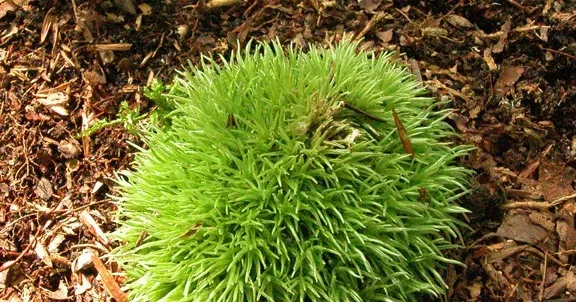
Leucobryum antillarum is a species of moss belonging to the Leucobryaceae family. It is well-known for its distinctive cushion-like growth form, which appears as dense, whitish-green or bluish-green mounds in the forest understory.
The native habitat of this moss includes the tropical regions of the Caribbean and parts of South America. It thrives in high-humidity environments, typically found in shaded forest floors, on decaying logs, or on damp, nutrient-poor rocky surfaces.
In cultivation, this species requires a constant but well-drained moisture source. It is highly sensitive to the quality of water; therefore, distilled, rainwater, or deionized water is recommended to prevent mineral build-up within the moss tissues.
Light levels should be kept low to moderate. As a shade-loving species, it is prone to bleaching and desiccation if exposed to direct sunlight for extended periods, which often results in the loss of its vibrant color and structural integrity.
The biology of the plant is defined by its ability to act as a hydrological sponge. Its leaves contain specialized, empty hyaline cells that absorb and store water, allowing the colony to withstand the fluctuations in moisture common in its native tropical environment.
Main diseases and pests
The primary threat to Leucobryum antillarum is prolonged desiccation. If the moss cushion dries out completely, the delicate cell structures may fail to recover, leading to the rapid death of the entire colony.
Poor ventilation is a secondary threat in controlled environments like terrariums. High humidity combined with stagnant air often invites fungal growth, which can cause the center of the moss cushion to rot from the base upwards.
Contamination with chemical fertilizers, salts, or industrial pollutants can be toxic to the plant. Because mosses lack a cuticle layer to filter out toxins, they absorb pollutants directly from the air and water, leading to immediate decline.
While large pests are generally not an issue, infestations by fungus gnats or soil mites in greenhouse conditions can compromise the attachment of the moss to its substrate, causing the cushions to detach and lose vitality.
Physical disturbance is also a major concern. The slow growth rate of the species means that once a patch is damaged or scraped away, recovery can take several growing seasons, making it vulnerable in areas with foot traffic or frequent maintenance.