
Leonurus quinquelobatus
Leonurus quinquelobatus Gilib. ex Usteri
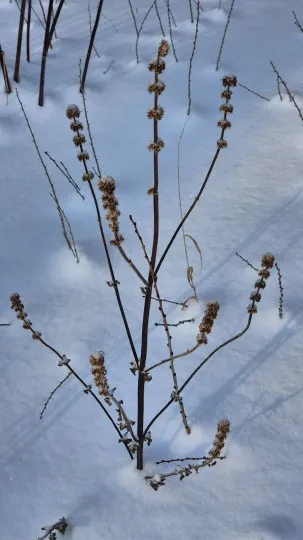
Description
Sowing dates
Leonurus quinquelobatus is a perennial herbaceous plant belonging to the Lamiaceae family. In industrial farming, sowing is performed either before winter or in early spring as soon as the soil reaches its physical maturity for tillage.
Winter sowing allows seeds to undergo natural stratification, which promotes more uniform and early germination in the following season. The sowing depth should not exceed 1–2 centimeters, given the small size of the seeds.
The seeding rate ranges from 8 to 10 kg per hectare, depending on seed quality. Row sowing with a spacing of 45–60 cm is the standard practice, facilitating future mechanized maintenance and weed control.
In the first year, the crop develops a strong basal leaf rosette and builds its root system. Significant growth of the aerial part, which is used for commercial raw material, typically begins in the second year of vegetation.
The field must be thoroughly cleared of perennial weeds before sowing, as the crop is quite sensitive to weed competition during its initial growth stages.
Growing requirements
The crop is known for its moderate climate requirements and high winter hardiness. It is well-adapted to temperate zones and can withstand harsh winters if protected by a snow layer.
Motherwort requires well-lit areas, as shade reduces the accumulation of biologically active substances in the aerial mass. It performs best on fertile chernozem or loamy soils with a neutral pH.
Water requirements are moderate: the plant does not tolerate waterlogging or stagnant water. However, prolonged droughts during the budding phase can significantly reduce the total vegetative yield.
An optimal temperature range for development is between 18–25 degrees Celsius. The plant is resistant to moderate temperature fluctuations, making it a reliable crop for various agro-climatic regions.
Soil fertility, particularly nitrogen and phosphorus availability, is a key factor in stimulating active tillering and high biomass accumulation for harvest.
Yield
Under intensive cultivation technologies, the yield of dried motherwort herb can reach 15–25 centners per hectare. This indicator largely depends on the age of the plantation and the soil's nutrient status.
Peak yields are generally harvested during the 3rd to 4th year of the plantation's life. After this period, productivity gradually declines, and field rotation becomes necessary.
Yield is closely linked to plant density; maintaining a stand of 150,000 to 200,000 plants per hectare is ideal for maximizing the commercial output of the crop.
Productivity can be improved by carefully managing cuts; under favorable conditions, two harvests per season are possible without harming the plant's root system longevity.
Consistent application of mineral fertilizers helps maintain the plantation's high productivity throughout its five-year lifecycle, ensuring consistent quality of the harvested herb.
Main diseases and pests
While relatively disease-resistant, the crop can be affected by powdery mildew in humid conditions with high plant density. Prevention focuses on maintaining proper air circulation and good field sanitation.
Among pests, various species of aphids are the most common, damaging young shoots and leaves. Plant bugs may also infest the fields during the peak growth season.
Root systems may be attacked by wireworms, especially on fields previously used for sod or permanent pastures. Insecticide applications are strictly controlled and should occur early, long before the flowering phase.
Adopting proper crop rotation and removing crop residues in autumn are essential sanitary measures to minimize the potential for future disease and pest outbreaks.
Regular field monitoring from May to July is necessary to detect early signs of infestation and prevent quality loss in the medicinal raw material.
Harvesting
Harvesting is performed during the mass flowering phase, when the concentration of glycosides and alkaloids in the aerial parts is at its peak, ensuring maximum pharmaceutical value.
The upper parts of the stems are cut to a length of up to 40 cm, avoiding any coarse or woody lower sections. Specialized mechanical mowers significantly increase the efficiency of the harvest process.
The harvested material must be transported to the drying facility immediately to avoid degradation. Delays can lead to the darkening of the herb and the loss of essential oils, reducing market quality.
Drying is carried out under canopies or in professional dryers at temperatures not exceeding 40–50 degrees Celsius. Properly dried herbs retain their natural green color and high chemical quality.
Once dried, the raw material is baled or packed in sacks and stored in a dry, well-ventilated area protected from direct sunlight to preserve its healing properties.