
Leek
Allium porrum L.
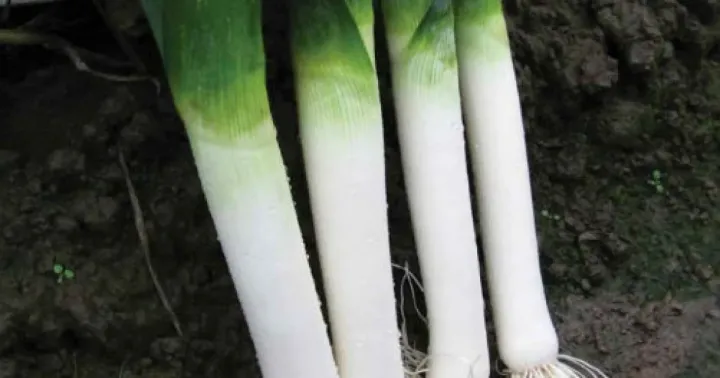
Description
Sowing dates
The leek (Allium porrum L.) is a biennial herb belonging to the Amaryllidaceae family. It is valued for its cylindrical bundle of leaf sheaths, commonly referred to as the stem.
Seeds are typically sown in trays or plug trays during late winter or early spring, as the plant requires a long growing season to reach its full potential.
The optimal germination temperature for leeks is between 18 and 22 degrees Celsius, with seedlings emerging within two to three weeks of sowing.
Transplanting into the garden occurs after the risk of frost has passed, usually in mid-to-late spring, once the plants reach the thickness of a pencil.
Careful hardening off is essential before transplanting to ensure the seedlings adapt to outdoor conditions and develop a strong root system.
Growing requirements
Leeks thrive in well-drained, fertile soil rich in organic matter. A pH level between 6.0 and 7.5 is ideal for ensuring optimal nutrient availability for the plant.
The crop requires consistent moisture throughout the growing season, as drought stress can lead to tough, fibrous stems and reduced vegetable quality.
Full sun exposure is necessary for maximum growth, although the plants are resilient enough to handle partial shade in extremely hot climates.
Blanching is a fundamental practice in leek cultivation; it involves mounding soil around the base of the stems to exclude light, which creates the characteristic white portion.
Regular fertilization with nitrogen-rich compounds during the mid-summer phase significantly boosts the biomass and overall health of the leek plants.
Yield
Properly managed leek crops can yield between 3 to 5 kilograms per square meter, depending on the variety and spacing used during the initial planting phase.
Planting density is crucial; spacing plants about 15–20 cm apart in rows allows for adequate air circulation and minimizes the risk of competition for soil nutrients.
Late-maturing varieties often produce larger, thicker stems, while early-season cultivars focus on rapid growth for earlier market supply.
Successive harvesting throughout the season allows for a continuous supply of fresh vegetables for domestic or commercial use.
Maintaining soil fertility through consistent mulching and organic amendments ensures that the leeks reach their maximum marketable size by the end of the season.
Main diseases and pests
The leek moth is a major threat, as its larvae mine into the stems and leaves, often causing the plant to rot and fail to reach maturity.
Onion thrips can cause significant damage in dry conditions, leading to silvery patches and stunted growth, which reduces the marketability of the crop.
Leek rust, a fungal infection identified by orange pustules on the foliage, thrives in humid environments and can rapidly spread if not addressed.
Damping-off is a common seedling disease in nursery conditions, usually caused by overwatering and poor ventilation in the growing medium.
- Regular crop rotation to prevent the buildup of soil-borne pathogens.
- Prompt removal of diseased leaves to slow down the spread of fungi.
- Use of floating row covers to act as a physical barrier against insect pests.
Harvesting
Harvesting usually begins in autumn and can extend into winter, as leeks are frost-hardy and can often remain in the ground until needed.
To harvest, gardeners lift the plants using a garden fork, ensuring the root system is loosened before pulling the leek gently from the soil.
Excess soil should be removed from the roots, and the roots should be trimmed to roughly 1–2 cm to keep them tidy for storage or immediate sale.
Leeks can be stored for several weeks in a cool, well-ventilated location or for months if heeled into sand or soil in a protected outdoor area.
Commercial harvesting is often mechanized, with specialized equipment designed to undercut the roots and lift the plants while preserving the integrity of the white stem.