
Tangut onion
Allium tanguticum Regel
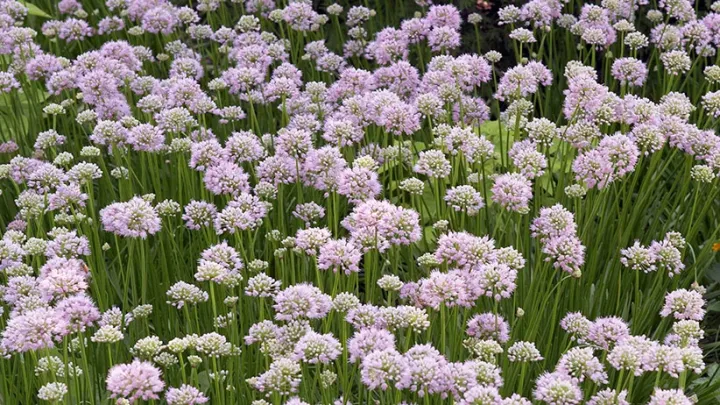
Description
Sowing dates
Tangut onion is a hardy perennial plant, typically sown in early spring as soon as the soil can be worked after the winter frost period.
Seeds should be planted at a shallow depth of 1–2 centimeters, ensuring rows are spaced at least 30 centimeters apart to allow for optimal air circulation.
For those living in regions with shorter growing seasons, starting seeds indoors in containers can provide a head start before transplanting seedlings outside.
Division of mature root clumps is another viable propagation method, best performed in early autumn to allow plants to establish before the soil freezes.
Maintaining consistent moisture levels is vital during the germination phase, as dry surface soil can significantly delay the emergence of delicate seedlings.
Growing requirements
This species thrives in sunny locations with well-draining, fertile soil, as stagnant moisture is the primary cause of root rot in onion species.
While tolerant of various soil types, a loose, sandy-loam composition provides the aeration necessary for healthy bulb development and plant vigor.
Regular moderate watering is required during the active growth phase, especially during hot, dry spells, to prevent stunted growth and leaf desiccation.
Known for its significant cold hardiness, this plant easily survives harsh winters, reflecting its evolutionary adaptation to high-altitude mountain environments.
Soil management should include regular weeding to eliminate competition for nutrients and moisture, ensuring the crop remains healthy throughout the year.
Main diseases and pests
Fungal diseases, including downy mildew, represent a serious threat, particularly in environments with high humidity and poor ventilation among plants.
Onion flies can cause localized damage to the bulb tissues, and preventative measures such as crop rotation are essential to break the insect life cycle.
Maintaining proper spacing between plants helps reduce the incidence of fungal issues by ensuring that leaves dry quickly after morning dew or rainfall.
Biopesticides and biological control methods are encouraged to manage potential outbreaks without damaging the delicate balance of the garden ecosystem.
Monitoring the foliage regularly allows for the early detection of pests, making it easier to manage infestations before they spread across the planting area.
Harvesting
Harvesting the green leaves can begin mid-summer, selecting individual leaves from well-established plants for immediate use in culinary applications.
When harvesting, leave at least 5 centimeters of the base above the soil level to protect the central growing point, allowing the plant to regenerate leaves.
For the best flavor and nutritional value, harvest the green parts before the flower scapes fully develop and the energy shifts toward seed production.
After cutting, the greens should be kept in a cool, shaded environment to prevent wilting and to preserve the unique essential oils and aromatic profile.
Seed collection involves harvesting the dry capsules after the plant finishes blooming, drying them completely before storing in a cool, dark place.