
Blue Latan Palm
Latania loddigesii
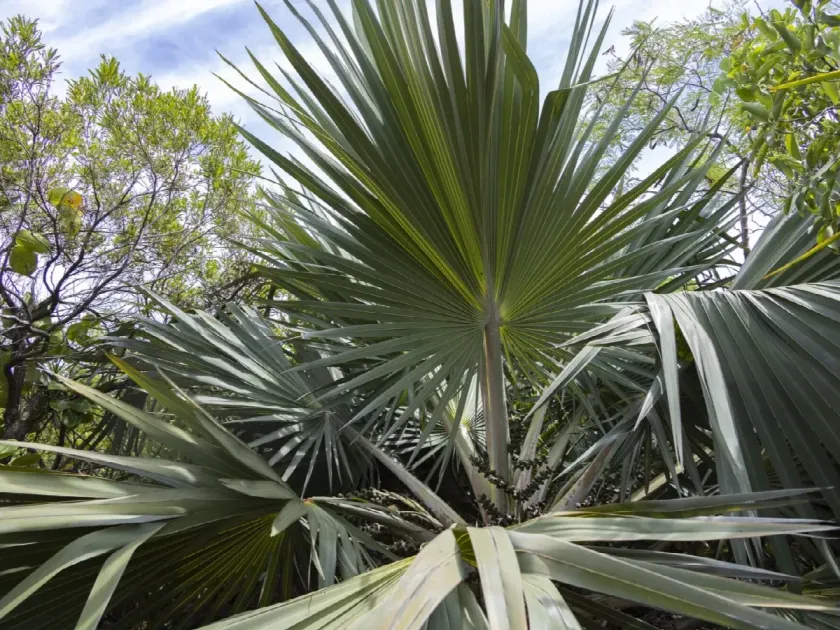
Description
Growing requirements
The Blue Latan Palm (Latania loddigesii) is a member of the Arecaceae family, originating from the Mascarene Islands. It is highly valued for its striking, fan-shaped leaves that exhibit a unique silver-blue hue, making it a prominent feature in tropical landscaping and botanical collections.
This species thrives in full sun exposure and warm tropical climates. It requires consistent temperatures to maintain its metabolic functions. In temperate regions, it is cultivated in greenhouses or conservatory environments where frost-free conditions are strictly managed throughout the year.
Cultivation requires well-draining, nutrient-rich soil. A mixture of loamy soil and sand is ideal to prevent water retention, which can be detrimental to the roots. Proper drainage holes in containers are mandatory to avoid the accumulation of standing water.
Watering should be balanced; while the palm needs moisture for growth, it is sensitive to waterlogged conditions. During the growing season, moderate irrigation combined with periodic feeding using slow-release palm fertilizers ensures robust leaf production and healthy growth rates.
The plant appreciates high humidity levels, typical of its native coastal habitats. When grown indoors, it is beneficial to provide supplemental humidity via misting or automated systems to prevent the foliage from drying out at the edges.
Main diseases and pests
Scale insects are a primary pest for the Blue Latan Palm. They appear as small, stationary bumps along the leaf stalks and undersides of leaves. Early detection is crucial, and they can be managed with horticultural oils or contact insecticides.
Mealybugs often congregate in the crevices of the palm's crown. Their presence is indicated by a white, cottony substance. Managing them requires systemic treatments that reach the protected areas of the plant where these insects hide.
Spider mites are common in dry indoor environments. These microscopic pests extract sap from the leaves, leaving them discolored and speckled. Increasing ambient humidity and frequent foliage washing are effective cultural controls against these infestations.
Root rot is a major physiological threat caused by poor drainage and excessive watering. Once the root system is damaged, it is difficult to restore the plant's health. Prevention involves ensuring that the growing medium is light and breathable.
- Ensure adequate spacing between plants to improve airflow.
- Remove any dead or dying fronds to prevent fungal colonization.
- Monitor for signs of nutritional deficiencies such as yellowing leaf tips.