

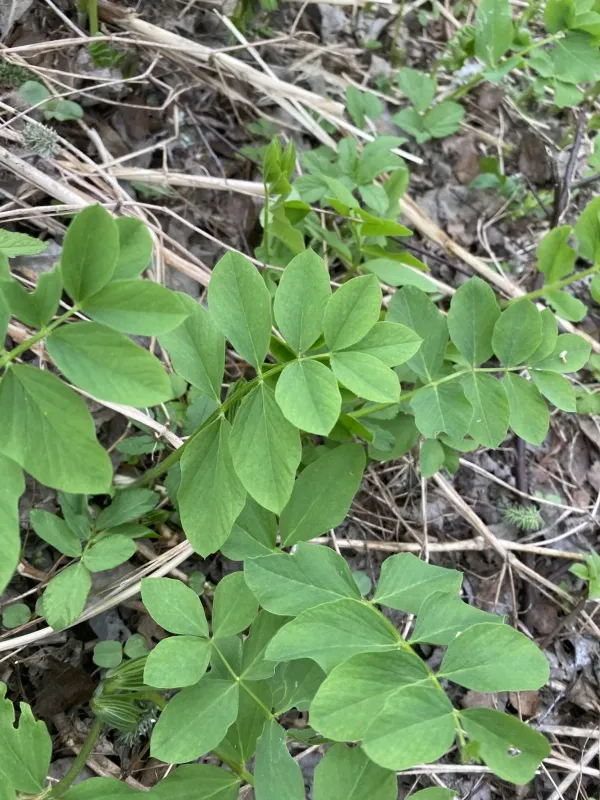
Description
Sowing dates
The optimal time for sowing Galega orientalis is early spring, as soon as the soil is dry enough to work. This crop is sensitive to moisture levels in the topsoil; therefore, timely sowing is crucial to ensure high germination rates and prevent sparse stands.
Late autumn sowing is also an option in temperate climates, allowing the seeds to undergo natural stratification over the winter. Success with this method depends on precise timing to prevent seeds from germinating too early during winter thaws.
Because the seeds have a hard seed coat, scarification is necessary to improve water absorption and accelerate germination. Using commercially prepared, scarified, or pelleted seeds is recommended to maximize the establishment of the crop.
Seeding depth should be adjusted according to soil texture: 2–3 cm for light soils and 1.5–2 cm for heavier clay soils. Planting too deeply can cause seedling mortality due to exhaustion of energy reserves before reaching the surface.
Seeding rates depend on the chosen cultivation method. For row sowing, rates of 15–20 kg/ha are standard, while wide-row sowing (at 45 cm spacing) allows for a lower rate of 10–12 kg/ha, which is often sufficient for effective stand establishment.
Growing requirements
Galega orientalis, commonly known as Eastern goat's rue, is a perennial legume highly valued for its longevity. Under favorable conditions, the crop can remain productive for 10 to 15 years, reducing the need for frequent field reseeding.
This species is well-known for its exceptional cold tolerance and winter hardiness, making it an excellent forage choice for northern agricultural zones. It recovers rapidly after winter, even in areas with severe frost conditions.
Soil requirements include well-drained, fertile loams or chernozem soils with a neutral or slightly acidic pH. The plant does not tolerate waterlogging, so fields with poor drainage or high water tables should be avoided to prevent root decay.
As a nitrogen-fixing legume, Galega orientalis forms a symbiotic relationship with Rhizobium bacteria. This biological process enriches the soil with nitrogen, significantly benefiting the growth of subsequent crops in the rotation cycle.
The establishment phase in the first year is notably slow. During this period, weed control is of critical importance, as young seedlings are poor competitors and can be easily overwhelmed by faster-growing weeds and invasive species.
Yield
The green mass yield of Galega orientalis can range from 40 to 60 tons per hectare, depending on local conditions and management practices. Seed production typically yields between 0.5 and 1.2 tons per hectare.
Peak productivity is achieved between the third and fifth years, as the root system reaches full maturity. This extensive root system allows the crop to withstand periods of drought better than many other forage legumes.
The nutritional value of Eastern goat's rue is high, characterized by substantial protein content and a balanced profile of amino acids. This makes it a superior feed source for dairy cattle and other livestock requiring high-quality nutrition.
The crop is versatile, serving as a source for green fodder, silage, or haylage. Harvesting at the early budding stage ensures that the foliage retains maximum nutritional density before the stems become overly fibrous and difficult to digest.
Beyond its feed value, Galega orientalis is a prominent honey plant. Its prolonged blooming season attracts pollinators, providing a consistent nectar source that benefits surrounding biodiversity and crop yields in the area.
Main diseases and pests
Galega orientalis is naturally resistant to many of the common diseases that affect other legumes. However, excessive moisture can lead to leaf spots or mild fungal issues, which can degrade the quality of the harvested biomass if not managed.
Pest pressures are generally manageable, though weevils and aphids can occasionally damage the generative organs or young shoots. Monitoring for these pests is essential, particularly during the critical stages of seed maturation.
Preventative measures are the primary strategy for maintaining crop health. Proper crop spacing, good drainage, and regular field scouting help prevent the buildup of pest populations and reduce the risk of disease spread within the stand.
If insect populations reach economic thresholds, the application of targeted, environmentally safe insecticides may be necessary. It is crucial to adhere to strict pre-harvest intervals, especially when the crop is intended for livestock feed.
Promoting crop vigor through appropriate fertilization with micronutrients on poorer soils contributes to the plant’s natural resistance. Maintaining a healthy balance in the field ecosystem is the best defense against long-term pest and disease issues.
Harvesting
For high-quality green fodder, the crop should be harvested during the early budding phase. This stage captures the ideal balance between biomass quantity and nutritional content, ensuring optimal digestibility for livestock.
When producing hay, careful handling during the drying process is required to minimize leaf loss, as the protein-rich leaves are prone to shattering. Using efficient tedding and windrowing techniques helps preserve the feed quality.
Seed harvesting requires attention to detail, specifically regarding the timing of maturation. Because pods mature unevenly, harvesting should be performed promptly when 75-80% of the pods turn brown to avoid pod shattering and seed loss.
In humid regions, two-stage harvesting is often preferred. Cutting the crop and allowing it to mature in windrows can help ensure the seeds reach the desired moisture content uniformly before the final threshing process.
Post-harvest residues of Galega orientalis are valuable as organic matter. Incorporating these nitrogen-rich residues into the soil improves its physical structure and nutrient content, providing a natural fertility boost for future farming activities.
Reference
Connections · Galega orientalis
Most often together:
Marketplace