
Goat's rue
Galega officinalis L.
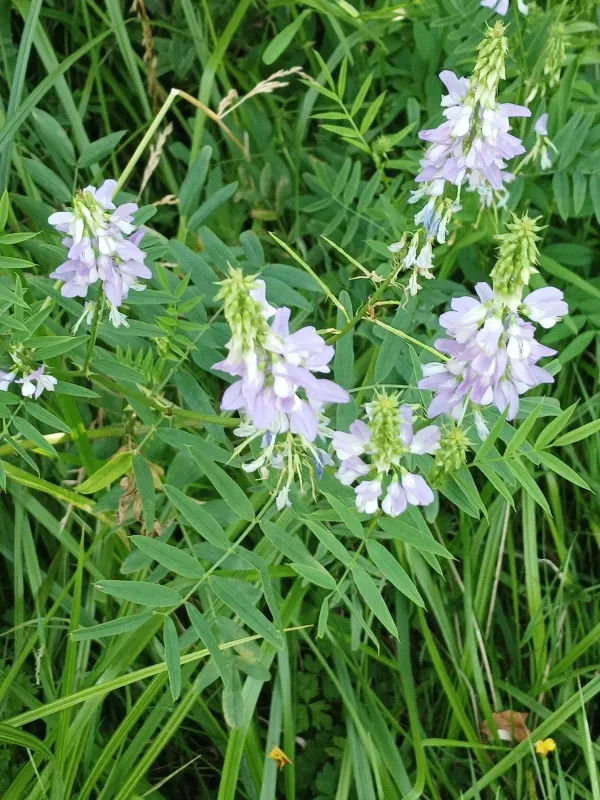
Description
Sowing dates
Galega officinalis is a perennial legume known for its long-lasting productivity and deep root system. It belongs to the Fabaceae family and is highly valued for soil enrichment.
Sowing should take place in early spring once the soil warms up. Proper soil preparation is essential to ensure uniform germination and early establishment of the stand.
Winter sowing is also an option, which can help seeds benefit from natural stratification. This method often results in stronger root growth as the plants establish early.
Seeds are sown at a depth of 1.5 to 3 centimeters. After sowing, it is critical to roll the field to ensure good contact between the seeds and the soil.
During the first year, the crop grows slowly. Weed management during this initial establishment phase is crucial to prevent competition and ensure healthy growth.
Growing requirements
This crop prefers fertile, well-drained soils with a neutral pH level. It does not thrive in waterlogged conditions, which can lead to root rot and poor development.
Galega officinalis requires adequate moisture throughout its growing season. While it is quite drought-tolerant once established, early hydration is vital for initial growth.
The plant is highly winter-hardy and can withstand severe cold, making it a reliable choice for regions with challenging winter climates.
Abundant sunlight is necessary for optimal biomass production. The crop should be planted in open fields away from tree lines or other sources of shade.
As a legume, it fixes atmospheric nitrogen through root nodules, reducing the need for chemical fertilizers and improving soil structure for following crops.
Yield
Galega officinalis is primarily grown for high-quality forage. It is rich in protein, minerals, and amino acids, making it an excellent feed for livestock.
Depending on soil fertility and climate, the yield of green mass can range between 30 and 50 metric tons per hectare, providing multiple harvests per season.
Seed production is an important aspect of the crop, with yields typically ranging from 300 to 800 kilograms per hectare depending on pollination conditions.
The crop serves as a premium honey plant, offering a vital nectar source for bees during the peak summer flowering season, contributing to biodiversity.
Beyond feed, it serves as an effective green manure, adding significant organic matter and nitrogen to the soil, which boosts the fertility of the entire farm rotation.
Main diseases and pests
Galega officinalis is generally robust, but it can be susceptible to fungal diseases like powdery mildew and various leaf spots if managed improperly.
Pests such as pea leaf weevils and aphids can target young seedlings. Regular monitoring of the field is recommended to identify any pest pressure early.
Maintaining proper field density is the best prevention against disease. Good airflow within the canopy helps keep the leaves dry and prevents fungal growth.
Using certified, disease-free seed is the first step in crop protection. Avoiding monoculture and following a diverse crop rotation helps suppress common pests.
In cases of severe infestation, targeted application of approved pesticides is possible, provided that harvest waiting periods are strictly observed.
Harvesting
The best time to harvest for forage is at the start of the flowering phase. This timing ensures the highest nutrient density and digestibility in the harvested plant material.
When mowing, it is essential to leave a stubble height of at least 10–12 centimeters. This preserves the crown of the plant and allows for rapid regrowth.
Proper hay drying techniques are required to retain the leaves, which contain the most protein. Minimizing mechanical leaf loss is a top priority during processing.
Seed harvesting should occur when the pods turn dark brown. Combining must be precise to minimize losses due to pod shattering, which is common as the crop matures.
After harvesting, seeds must be cleaned and dried to a moisture content of 12–14% to ensure safe storage and maintain high germination rates for future planting.