
Khaya ivorensis
Khaya ivorensis A. Chev.
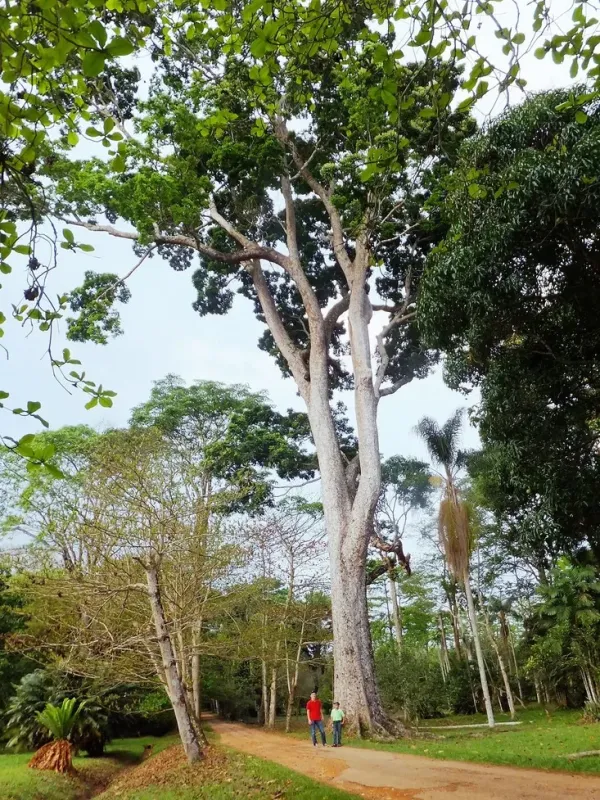
Description
Sowing dates
Propagation of Khaya ivorensis is primarily conducted through seeds in specialized nursery conditions. Since the seeds lose viability rapidly, they must be sown immediately after collection, maintaining high substrate moisture levels for successful germination.
In its natural habitat, seedlings are transplanted into the field at the beginning of the rainy season, which provides the necessary moisture for the plants to establish their root systems effectively. Planting is carried out in prepared pits with standardized spacing.
To improve establishment rates, seedlings are often grown in containers until they reach a height of 30–50 centimeters. This preparation phase helps the young trees withstand initial competition from weeds and environmental stressors.
Providing light shade for young seedlings is essential during the early stages, as direct, intense sunlight can lead to excessive heat stress and dehydration of the sensitive tissues.
Optimal planting density for commercial plantations usually ranges from 400 to 800 trees per hectare, which encourages vertical growth and helps minimize the development of lower branches.
Growing requirements
Khaya ivorensis is a member of the Meliaceae family, native to the moist tropical forests of West and Central Africa. The species prefers deep, nutrient-rich, well-drained soils, as it does not tolerate areas prone to waterlogging or anaerobic soil conditions.
The culture requires a hot, tropical climate with a stable distribution of rainfall throughout the year. Temperatures should generally range between 22 and 30 degrees Celsius, and the tree is highly sensitive to frost.
High relative humidity and annual precipitation levels exceeding 1500–2000 millimeters are vital for the vigorous growth of the species. Drought conditions significantly impede growth rates and can compromise wood quality.
While the tree is highly heliophilic (sun-loving), young saplings are capable of surviving under moderate shade. As the trees mature, they require full exposure to sunlight to maximize biomass production and wood density.
Soil pH should ideally be weakly acidic to neutral. The tree performs poorly in saline environments or soils with a high clay content that prevents proper root aeration and development.
Main diseases and pests
The most significant threat to Khaya ivorensis plantations is the mahogany shoot borer, Hypsipyla robusta. Larvae of this moth bore into the terminal shoot, causing stunted growth, stem branching, and a severe reduction in commercial timber value.
Fungal diseases, particularly root rots, are prevalent in poorly drained sites where water accumulates. These infections weaken the tree's immune system, making it more vulnerable to secondary pest infestations.
Infections caused by Phytophthora species can lead to bark necrosis and stem cankers, which slow down the tree's development and can result in the mortality of young plants in the plantation.
Integrated pest management in forestry includes mechanical removal of infested shoots and the use of biological control agents to keep pest populations below the economic injury level.
- Terminal shoot damage by Hypsipyla robusta.
- Root decay due to excessive soil moisture.
- Bark necrosis caused by fungal pathogens.
- Competition from invasive vines and woody weeds.
- Infestation by wood-boring insects.