
Kardomia
Kardomia
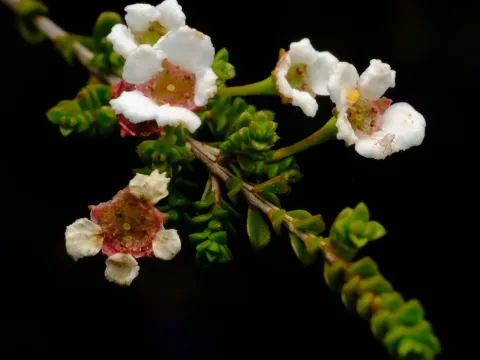
Kardomia is a genus of shrubs within the Myrtaceae family, native to various regions of Australia. These plants are known for their dense foliage and unique, attractive flower structures that emerge during the spring and summer months.
What the section contains


Kardomia
These plants thrive in well-drained, sandy soils that are typical of their native habitat. They are highly sensitive to soil compaction and require excellent aeration for the root system to remain healthy.
Kardomia species generally prefer full sun exposure, although they can tolerate light shade in extremely hot climates. Proper sunlight is essential for maintaining the plant's natural, compact habit.
Water requirements are relatively low once the plant is established. However, during the initial planting stages, consistent moisture is necessary to ensure strong root development.
The plants are well-suited for Mediterranean-style gardens, where winters are mild and free from hard frosts. In colder zones, they are best kept as potted specimens and brought indoors during winter.
Root rot caused by Phytophthora species is a major threat if the plant is grown in soil that lacks proper drainage.
Scale insects and mealybugs are the most common pests that infest the stems and leaves of Kardomia, often hiding in the dense foliage.
Spider mites may occur during periods of prolonged drought or low humidity, leading to leaf discoloration and drop.
Monitoring for signs of chlorosis is important, as it may indicate an imbalance in soil pH or nutrient deficiency, specifically phosphorus sensitivity.
Integrated pest management, including regular inspection and the use of horticultural oils, is recommended to keep the shrubs healthy throughout the year.