
Diamond Joey palm
Johannesteijsmannia magnifica
Description
Growing requirements
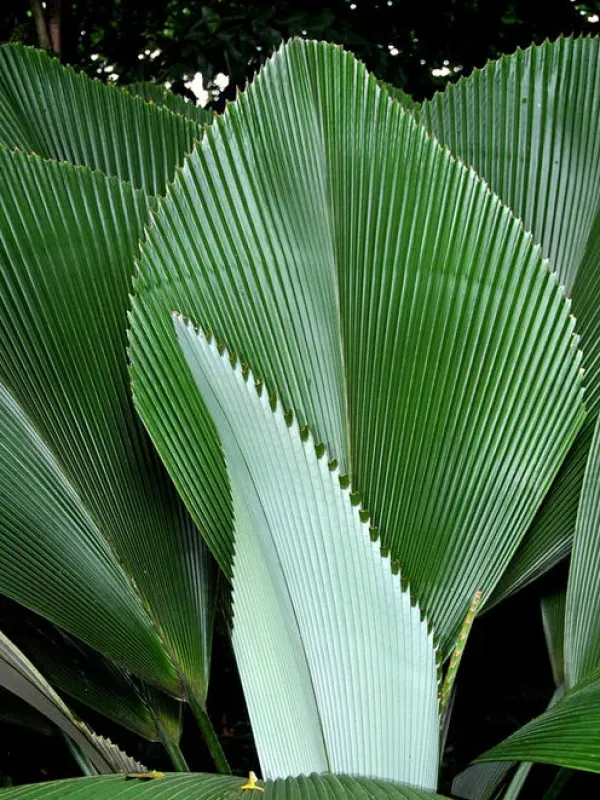
Johannesteijsmannia magnifica, commonly known as the Diamond Joey palm, is a stunning species belonging to the Arecaceae family. Native to the rainforests of Malaysia, this palm is highly prized for its large, diamond-shaped, undivided leaves that provide a dramatic architectural element to any collection.
Cultivation of this species requires a strictly tropical environment, characterized by high humidity levels and constant warmth. Ideal temperatures range between 24°C and 30°C, and the plant should be shielded from any temperature drops below 20°C, which can cause significant growth stunting.
The plant thrives in deep, rich, well-draining soil that is high in organic matter. A mixture of peat moss, pine bark, and perlite is recommended to create a medium that holds moisture without becoming waterlogged, which is critical for the health of the root system.
Light requirements for the Diamond Joey are specific; it prefers bright, filtered, or indirect light. Direct sunlight is highly detrimental and will cause severe scorch marks on the broad, delicate foliage, leading to irreversible damage to the aesthetic value of the plant.
Watering should be consistent, ensuring the substrate remains moist but not saturated. Due to its slow growth habit, this palm requires careful maintenance, specifically in terms of preventing the center of the crown from accumulating water, which can trigger lethal rot.
Main diseases and pests
Mealybugs and spider mites are the most common pests affecting this species, particularly in indoor or greenhouse settings where air circulation might be limited. Regular monitoring and the application of neem oil or insecticidal soap are essential for early control.
Root rot, induced by overwatering or poor drainage, is the primary killer of Johannesteijsmannia species. If the soil does not allow for efficient gas exchange, the roots will quickly degrade, leading to rapid decline and death of the plant.
Fungal leaf spots can appear if the foliage stays wet for too long without adequate airflow. Keeping the environment well-ventilated and ensuring the leaves are not constantly misted during late evening hours significantly reduces the risk of fungal infections.
Nutrient deficiencies, particularly magnesium or manganese, can manifest as yellowing or mottled leaves. Using a balanced, slow-release fertilizer formulated for palms, applied sparingly during the growing season, helps maintain the vibrant green color of the foliage.
Mechanical injury to the leaves is a significant concern for this slow-growing plant. Since the leaves take a long time to emerge, any tear or damage is permanent, requiring the grower to place the plant in a location where it will not be brushed against or disturbed.