
Johannesteijsmannia altifrons
Johannesteijsmannia altifrons
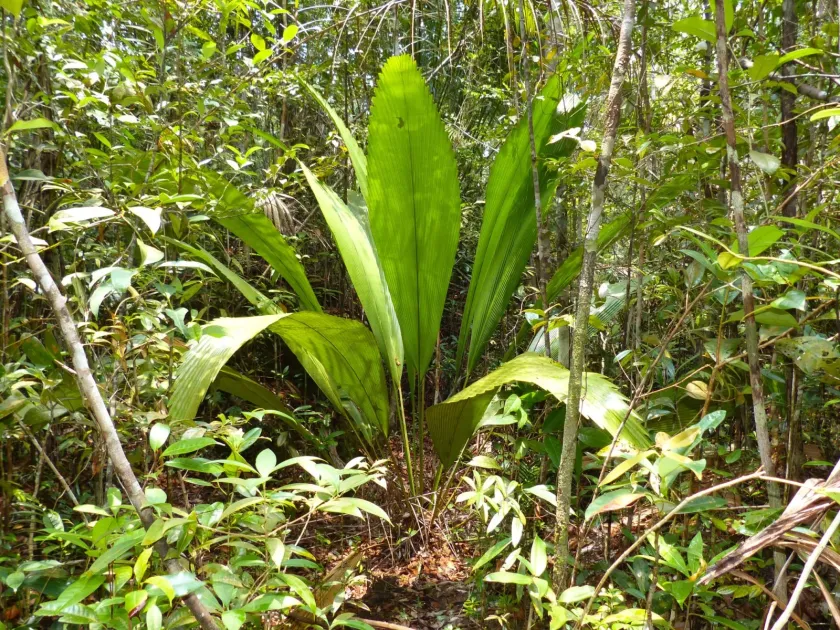
Description
Sowing dates
Propagation is primarily conducted through fresh seeds, which lose viability rapidly. Sowing should occur immediately after harvesting in a sterile, well-draining medium like perlite mixed with peat.
Seeds require a constant temperature of 28–30 degrees Celsius for successful germination. Providing bottom heat can significantly improve the speed and success rate of seedling emergence.
Deep containers are essential as the plant develops a long taproot early on. Care must be taken during the first repotting to avoid damaging this delicate root system, which is vital for the young palm.
The germination period is exceptionally long, often lasting several months. A stable, humid environment with consistent moisture levels must be maintained throughout this process.
Using high-quality, fungicide-treated seeds helps prevent common damping-off diseases during the initial stages. Young plants should be moved to larger pots only after developing a robust root structure.
Growing requirements
Johannesteijsmannia altifrons belongs to the Arecaceae family and thrives in the shaded understory of tropical rainforests. It requires indirect, low-light conditions to preserve its large, architectural leaves.
High relative humidity, ideally above 75 percent, is mandatory for healthy development. In cultivation, consistent misting or the use of automated humidifiers is highly recommended for growth.
The soil must be rich in organic matter, slightly acidic, and exceptionally well-draining. A mixture of forest soil, chopped bark, and charcoal mimics their natural forest habitat effectively.
Temperature must remain consistent between 22 and 28 degrees Celsius year-round. Exposure to cold drafts or temperatures below 15 degrees can cause irreversible tissue damage and shock.
Watering should be consistent; the soil should remain moist to the touch but never waterlogged. Overwatering is the most common cause of root rot and plant failure in this species.
Main diseases and pests
Root rot, caused by various soil-borne pathogens, is the primary threat to this palm. Proper drainage and aeration are essential preventive measures to maintain a healthy root system.
Spider mites are a persistent problem in indoor environments with low humidity. They can quickly cause widespread damage to the foliage if not controlled with systemic or contact miticides.
Mealybugs tend to infest the base of the petioles, where they are protected from topical treatments. Manual removal with a cotton swab dipped in alcohol is an effective initial control method.
Leaf spot diseases can develop if air circulation is insufficient. Increasing ventilation around the plants helps to reduce humidity levels on the leaf surface and prevents fungal growth.
Nutrient deficiencies, specifically magnesium and iron, can lead to leaf yellowing or stunted growth. Regularly checking soil pH and using appropriate fertilizers will maintain optimal plant vitality.