
Water chestnut
Trapa natans L. var. natans
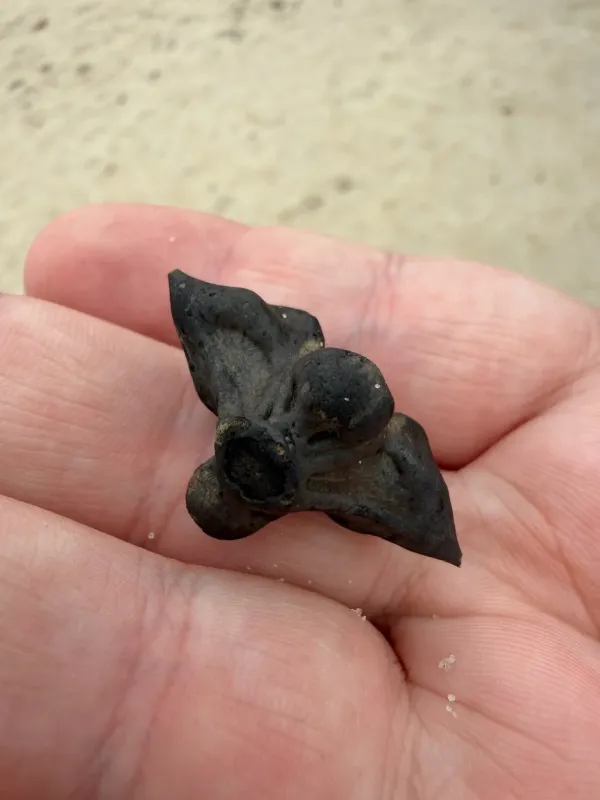
Description
Sowing dates
Water chestnut is an annual aquatic plant belonging to the Lythraceae family. In its natural environment, the seeds overwinter in the bottom silt and germinate in the spring when water temperatures reach 10-15 degrees Celsius. This natural cycle defines the core sowing period for cultivation.
For deliberate planting, seeds should be sown in the muddy bottom of a water body immediately after the ice thaws. It is crucial to keep the seeds in a moist environment before planting, as they lose viability rapidly if allowed to dry out completely during storage.
The plant anchors itself to the bottom with a long petiole that reaches the water surface, forming a rosette of floating leaves. The vegetative growth accelerates in June, taking advantage of longer daylight hours to maximize photosynthesis and biomass development.
Optimal planting density is essential for success. A few plants per square meter allow for adequate spacing, preventing the plants from competing with each other for light and nutrients. In favorable conditions, the plant can self-propagate due to the high longevity of its seeds in the soil.
Professional management requires monitoring the bottom substrate to ensure it is rich in organic matter. A stable, muddy or sandy-silty bottom provides the necessary anchorage and nutrition for the plant to develop its full potential by the end of the season.
##requirements##This crop thrives in still or slow-moving water bodies such as ponds or oxbow lakes. A depth of 0.5 to 2 meters is ideal, as this range allows the rosette to stay buoyant and properly anchored while receiving sufficient sunlight for growth.
Sunlight exposure is a limiting factor for water chestnut. Shaded areas under trees or dense shoreline vegetation will lead to stunted growth and poor fruit development. Open, sunny water surfaces are preferred for commercial-scale cultivation.
Water quality must be maintained at a high level. The plant prefers neutral to slightly alkaline water. While it appreciates organic-rich environments, excessive industrial pollution or pesticide runoff must be avoided to ensure the safety and health of the crop.
Temperature is vital; water chestnut is a thermophilic plant. Optimal development occurs when water temperatures consistently stay between 20 and 25 degrees Celsius. Cold spells during the flowering stage can significantly reduce the yield of the nuts.
Oxygen levels must remain stable. Excessive eutrophication and the resulting algal blooms can starve the plant of oxygen, especially at night, which can cause the rosettes to decay. Maintaining a clean environment is critical for sustainable production.
Yield
Yields of water chestnut vary depending on the environment and the duration of the warm season. A single healthy plant can produce a significant number of fruits, which are highly valued for their starch and protein content.
The harvesting process begins in late summer or early autumn when the rosette starts to brown. As the fruit reaches physiological maturity, it becomes heavier and sinks, signaling the time for collection from the bottom of the water body.
Uses for the crop are diverse, ranging from direct culinary consumption to the production of high-quality starch and flour. The nuts are a staple food in many regions, known for their nutty flavor and high nutritional profile.
Effective management and regular cleaning of the water body from competing invasive weeds are the primary drivers of yield stability. A well-managed pond can provide a sustainable annual harvest with minimal chemical input.
Sorting and processing are important post-harvest steps. Nuts must be washed thoroughly to remove silt and then dried properly. Market-ready produce is highly valued in specialty food markets, making it a viable aquatic crop for niche agricultural sectors.
Main diseases and pests
Fungal pathogens represent the biggest threat, particularly those causing stem and leaf rot in stagnant, humid environments. Regular inspection of the floating rosettes can help identify early signs of fungal infection and prevent widespread damage.
Various aquatic pests, including certain mollusks and insects, can cause physical damage to the petioles and leaves. Managing the ecosystem balance is the most effective way to keep these pest populations below damaging levels.
Competition from other aquatic vegetation, such as reeds or cattails, can easily overtake the water chestnut patch. Periodic weeding of the water surface is a necessary agronomic practice to ensure the crop has enough space to grow and access sunlight.
Water contamination by heavy metals or industrial pollutants poses a significant risk. Because the plant is an aquatic species, it can accumulate toxic substances in its tissues, rendering the nuts unsafe for human consumption.
Waterfowl can also impact yields by consuming the fruits as they ripen. On small cultivation sites, protective barriers or deterrents may be necessary to protect the maturing crop from bird populations until the harvest is complete.
Harvesting
Harvesting occurs when the plants naturally begin to senesce and the fruit reaches maturity. The nuts are collected from the water using manual tools like nets or hooks, which allows for the efficient retrieval of the fruits from the pond floor.
Safety is a priority during the harvest, as the nuts feature sharp spines. Workers should use puncture-resistant gloves to protect their hands while gathering the crop from the water or sorting through the harvested material.
Post-harvest, the nuts must be cleaned of mud and aquatic debris immediately. This initial cleaning is essential to prevent the nuts from fermenting or decaying due to the moisture held by the remaining plant material.
Proper drying is required before long-term storage. Nuts should be spread out in a well-ventilated, shaded area to allow moisture to evaporate, ensuring they stay preserved and retain their nutritional quality for months.
The final product is typically stored in breathable bags in a cool, dark location. This traditional storage method keeps the water chestnut nuts ready for either direct cooking or milling into flour for various culinary applications.