
Jatropha gossypiifolia
Jatropha gossypiifolia L.
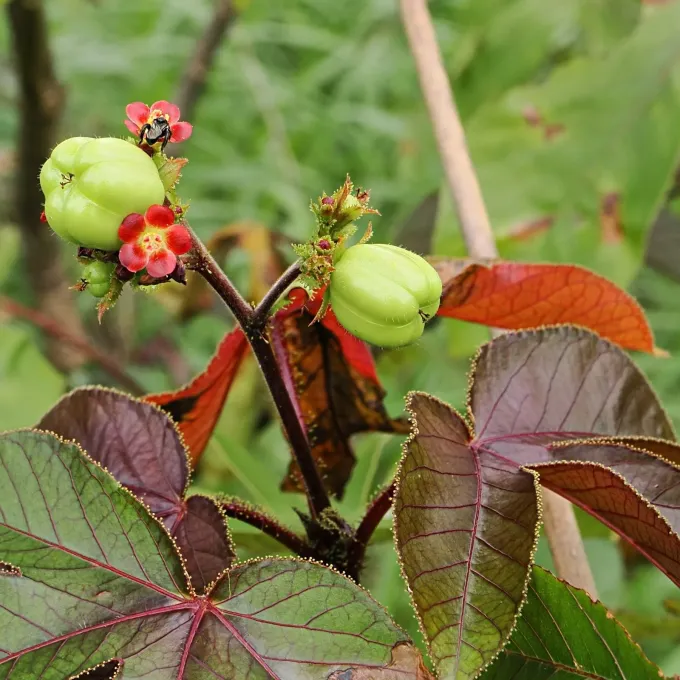
Description
Sowing dates
Jatropha gossypiifolia L., belonging to the Euphorbiaceae family, is a perennial shrub native to the tropical regions of the Americas, known for its rapid growth and adaptability.
The sowing process is typically timed with the onset of the rainy season to provide the necessary moisture for seed germination and the establishment of the young root system.
Seeds are placed in prepared seedbeds or directly into the soil at a shallow depth, ensuring they are not buried too deeply to maintain oxygen access for the sprouting embryo.
Optimal plant spacing is critical to ensure that each shrub has enough space to develop a robust canopy, which is essential for maximum flower and fruit production in subsequent years.
In addition to direct seeding, stem cuttings can be used for propagation, allowing farmers to maintain genetic consistency within their plantations and speed up the establishment phase.
Growing requirements
This crop demands high light intensity and thrives in full sun exposure; shaded conditions significantly hinder vegetative growth and lower the final yield of oil-bearing seeds.
Jatropha gossypiifolia shows remarkable drought tolerance, yet supplemental irrigation during the critical flowering and fruit development stages is recommended to maximize harvest outcomes.
Well-drained sandy or loamy soils are preferred, as the plant is highly sensitive to waterlogged conditions, which can lead to rapid root rot and overall decline of the shrub.
Agricultural management includes routine weeding in the early stages of the plantation's life to eliminate competition for vital soil nutrients and moisture from aggressive weeds.
Balanced fertilization, particularly focusing on phosphorus and potassium, supports the metabolic processes required for successful flowering and nutrient accumulation in the seeds.
Yield
The primary economic value of Jatropha gossypiifolia lies in its seeds, which are rich in non-edible oils suitable for high-quality biodiesel production and other technical applications.
Yield varies based on the age of the shrubs, local soil quality, and the effectiveness of farm management practices implemented throughout the growing season.
Beyond biofuel, the plant contains bioactive compounds used in experimental pharmacology and traditional medicine, requiring careful handling due to the inherent toxicity of the sap.
Improving yield involves careful selection of high-yielding varieties and the use of sustainable cultivation techniques that promote consistent fruit setting across the entire plantation.
- Raw material for biodiesel.
- Lubricant industry applications.
- Pharmaceutical research feedstock.
Main diseases and pests
Sap-sucking insects, such as aphids and mites, are common pests that target young foliage, potentially weakening the plant and reducing its photosynthetic capacity.
Fungal pathogens often proliferate during high humidity periods, causing leaf spots or stem infections; regular field monitoring is required to detect early signs of these outbreaks.
Integrated pest management strategies are advised, including the removal of infected parts and the use of environmentally friendly fungicides to maintain crop health.
The plant's natural toxicity generally deters large herbivores, which can be an advantage in regions where livestock grazing could otherwise damage unprotected agricultural crops.
Maintaining air circulation through proper pruning is a vital agronomic practice that helps reduce the microclimate humidity conducive to the growth of harmful fungal spores.
Harvesting
Harvesting begins when the fruit capsules change from green to a brown, leathery appearance, which indicates that the seeds inside have reached maturity and are ready for extraction.
Because fruit ripening on the plant is often asynchronous, manual harvesting remains the standard practice to ensure that only fully mature fruit is collected during each pass.
Post-harvest processing requires immediate drying of the capsules in well-ventilated areas to reduce moisture content and prevent the spoilage of the high-oil-content seeds.
Once dried, mechanical threshing is used to separate the seeds from the husks, allowing for efficient cleaning and sorting before the seeds are sent to storage or processing facilities.
Proper storage conditions, including moisture control and temperature regulation, are crucial to prevent seed rancidity and maintain the quality of the oil intended for biofuel manufacturing.