
Jatropha curcas
Jatropha curcas L.
Description
Sowing dates
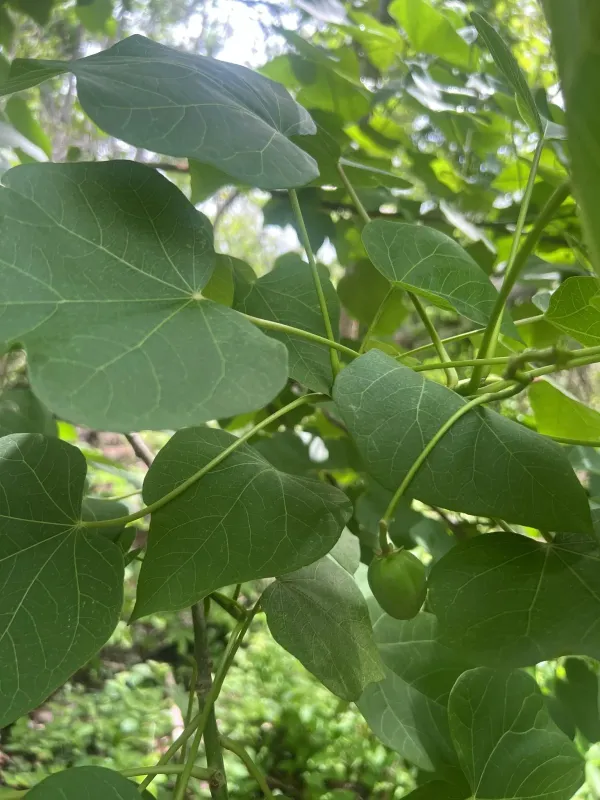
Jatropha curcas is a robust, deciduous shrub belonging to the Euphorbiaceae family, widely recognized for its potential as a sustainable biofuel feedstock. The plant is primarily propagated through seeds or stem cuttings, which are ideally planted at the onset of the rainy season to establish deep root systems.
When sowing seeds, it is recommended to use fresh, high-viability seeds to ensure uniform germination, which typically occurs within 7 to 14 days under warm temperatures. The planting density is adjusted based on soil quality, typically ranging from 2,000 to 2,500 plants per hectare for optimal yield.
Vegetative propagation using stem cuttings is a common practice to ensure that the progeny retains the desirable traits of the mother plant, such as high oil content and early fruit maturity. Cuttings should be approximately 30–45 cm long and planted directly into the prepared field soil.
During the initial growth phase, weed management is critical to ensure that the young shrubs receive sufficient light and nutrients. Applying mulch around the base of the plants can help retain soil moisture and suppress weed growth, significantly enhancing the survival rate of the saplings.
Establishing a well-managed plantation requires a systematic approach to spacing to facilitate future maintenance. Proper alignment of rows allows for better sunlight penetration, which is vital for flower initiation and uniform fruit development throughout the canopy.
Growing requirements
Jatropha curcas thrives in tropical and subtropical climates where temperatures remain consistently high. It is highly drought-tolerant, capable of surviving in areas with as little as 300–600 mm of annual rainfall, although higher yields are obtained in regions with 800–1200 mm of rainfall.
The crop is known for its ability to grow in poor, marginal soils where other agricultural crops fail. It adapts well to gravelly, sandy, and alkaline soils, provided that there is adequate drainage. Waterlogging is the most common cause of root rot and plant mortality.
The ideal pH range for Jatropha cultivation is between 5.0 and 8.0. Due to its deep-reaching root system, the plant can effectively extract nutrients from degraded soils, making it an excellent candidate for land reclamation projects and reforestation efforts in arid territories.
While the plant is hardy, maximum productivity requires full sunlight exposure. Shade-grown Jatropha tends to have elongated stems and poor fruit set, leading to a significant reduction in oil yield per hectare. Selecting site locations with high solar radiation is a prerequisite for commercial success.
The plant has low requirements for chemical fertilizers, although nitrogen, phosphorus, and potassium applications during the first few years can accelerate vegetative growth. As the plantation matures, it requires minimal external input, contributing to its reputation as a low-cost maintenance crop.
Yield
Jatropha curcas plantations typically enter their productive phase in the third year, with yields increasing steadily until they peak between the fifth and tenth years. A well-maintained plantation can remain productive for up to 30 years or more.
Average seed yields range from 2 to 5 tons per hectare annually, depending on local climate conditions and agronomic inputs. The seeds possess an oil content of approximately 30–40%, making them a highly attractive source for high-quality biodiesel manufacturing.
Yield components are influenced by several factors:
- genetic quality of the seed stock;
- management of plant architecture through pruning;
- effectiveness of pest control measures;
- irrigation practices during the critical fruit-filling stages.
Post-harvest management involves drying the seed capsules to a moisture content of about 8–10% to prevent fungal contamination. Storing the seeds in cool, well-ventilated conditions is essential to maintain the oil quality and prevent the degradation of fatty acids.
Industrial processing extracts oil from the seeds using mechanical expellers or chemical solvents. The resulting press cake is a nutrient-rich byproduct that can be used as organic fertilizer, provided the toxic phorbol esters are neutralized through detoxification processes.
Main diseases and pests
Common pests affecting Jatropha include leaf-miners, bark borers, and certain types of beetles that can cause significant foliage loss. Regular monitoring is necessary, especially during the rainy season when pest populations are most active and can impact plant vigor.
Fungal diseases, such as collar rot and leaf spot, are prevalent in areas with high humidity or poor drainage. Improving airflow through structural pruning is the most effective cultural method to reduce the incidence and spread of these infections without relying on heavy fungicide use.
Integrated Pest Management (IPM) is the preferred strategy for Jatropha plantations to maintain environmental sustainability. This involves using biological controls, such as beneficial insects, and maintaining a diverse ecosystem around the plantation to naturally regulate pest levels.
Severe infestations require targeted interventions to prevent economic loss. However, the plant's natural toxicity often provides some level of protection against herbivores, which is an advantage compared to more susceptible agricultural crops grown in the same regions.
Establishing clear field borders and using clean, disease-free planting material helps in mitigating the risk of introducing pathogens into the plantation. Rapid identification and removal of diseased branches or plants are critical to contain localized outbreaks.
Harvesting
The harvest of Jatropha curcas is labor-intensive because the fruits do not ripen simultaneously on the same plant. Multiple passes through the plantation are often required to collect all mature capsules, which typically turn from yellow to dark brown upon reaching full maturity.
Hand-harvesting is the standard practice to ensure high purity of the seeds and to prevent the collection of immature or damaged fruits. Labor requirements peak during the harvest period, necessitating effective planning to manage the logistics of the collection and post-harvest drying.
Modern decorticating machines have been developed to separate the seeds from the hull efficiently. These machines significantly reduce the labor costs associated with manual hulling and ensure that the seeds are prepared for the oil extraction stage in a timely manner.
Harvested seeds must be dried properly before storage to prevent the growth of mycotoxin-producing fungi. Proper moisture management is the most important factor in maintaining the market value and processing efficiency of the Jatropha crop.
Global demand for sustainable and renewable energy sources ensures that Jatropha remains a relevant agricultural crop. Ongoing research into high-yielding varieties and optimized harvesting equipment continues to improve the profitability of small and large-scale plantations worldwide.