
Ilysanthes
Ilysanthes
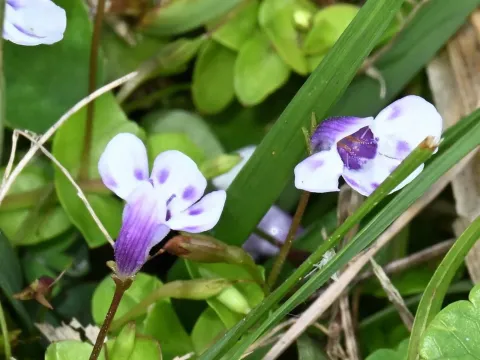
The genus Ilysanthes belongs to the Plantaginaceae family. These plants are characterized by their strong affinity for aquatic or semi-aquatic environments, often colonizing riverbanks and wetlands in their natural habitat.
What the section contains


Ilysanthes
Botanically, these plants are small, herbaceous, and typically feature opposite leaves and small, delicate axillary flowers. They are particularly well-suited for moist soil conditions where organic matter content is high.
Cultivation of Ilysanthes requires constant access to moisture. If used in horticultural settings, they must be planted in substrates that retain water effectively, such as peat-based mixtures, and kept in humid, sheltered environments.
Temperature requirements are fairly standard for moisture-loving plants, favoring stable temperatures between 20°C and 25°C. Excessive heat or direct sunlight without sufficient water will cause the plant to wilt rapidly.
Fertilization should be handled with care; light, liquid, balanced fertilizers are preferred to prevent salt buildup in the substrate, which the roots of Ilysanthes are often sensitive to.
Due to the high humidity required for growth, fungal diseases like powdery mildew and various types of stem rot are common threats that growers must manage.
Pests such as spider mites and aphids are frequently encountered, especially when the plant is grown in confined areas like greenhouses with poor airflow.
Management of these threats involves proactive ventilation and maintaining optimal hygiene in the growing space to prevent the accumulation of mold spores.
Early detection of infestation is crucial, and the use of targeted biological control agents is often preferred over harsh chemicals for this delicate plant species.
Proper sanitation, including the removal of dead or dying tissue, is an essential agronomic practice to keep the environment clean and prevent pathogen outbreaks.