
Hyssop-leaved Ilysanthes
Ilysanthes hyssopioides
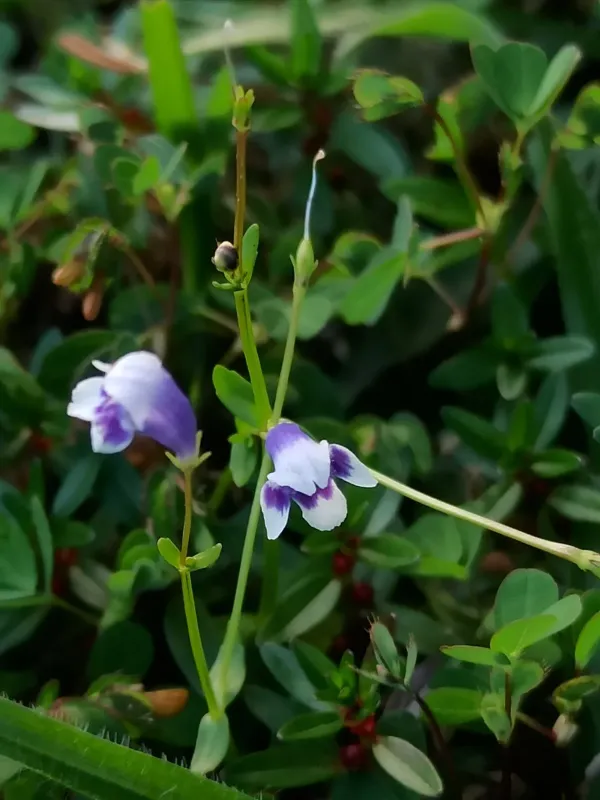
Description
Sowing dates
Sowing Hyssop-leaved Ilysanthes requires precise temperature control of the substrate, typically maintained between 22 and 25 degrees Celsius for optimal germination.
The best time for sowing is early spring, which aligns the growth cycle of the seedlings with the natural increase in day length and light intensity.
Due to their small size, seeds are broadcasted over the surface of the soil rather than buried, as light exposure is necessary for effective germination.
Professionals often employ cold stratification techniques for several weeks prior to sowing to improve the uniformity of the germination process.
Transplanting into final containers or open environments should only occur once all danger of frost has passed to protect the delicate development of the plant.
Growing requirements
The Ilysanthes hyssopioides belongs to the Linderniaceae family and is recognized as a hardy hydrophyte adapted to moist or marshy ecological niches.
The culture requires high water quality, preferably soft and neutral in pH, to ensure the healthy function and spread of its fragile root systems.
A well-draining, nutrient-rich substrate is essential for the plant to thrive, especially when grown under controlled greenhouse or artificial aquatic conditions.
While the plant requires sufficient sunlight for photosynthesis, protection from direct afternoon solar radiation is recommended to avoid leaf tissue damage.
Maintaining constant moisture levels is the most critical aspect of the plant's care, as even minor dehydration can severely jeopardize the entire crop.
Main diseases and pests
Fungal pathogens represent a primary threat to the crop, especially in environments where humidity levels are high and air circulation is limited.
Leaf-eating pests, particularly slugs and certain species of snails, can cause significant damage to the plant's biomass if not managed correctly.
Root rot, driven by stagnant water and poor drainage, is a common issue that must be addressed through rigorous maintenance of the growing media.
Proper spacing between plants is highly recommended to improve overall airflow, which significantly reduces the risk of moisture-related infections.
Integrated pest management, including the introduction of natural predators, is the most effective approach to protecting Hyssop-leaved Ilysanthes from infestations.