
Ilysanthes parviflora
Ilysanthes parviflora
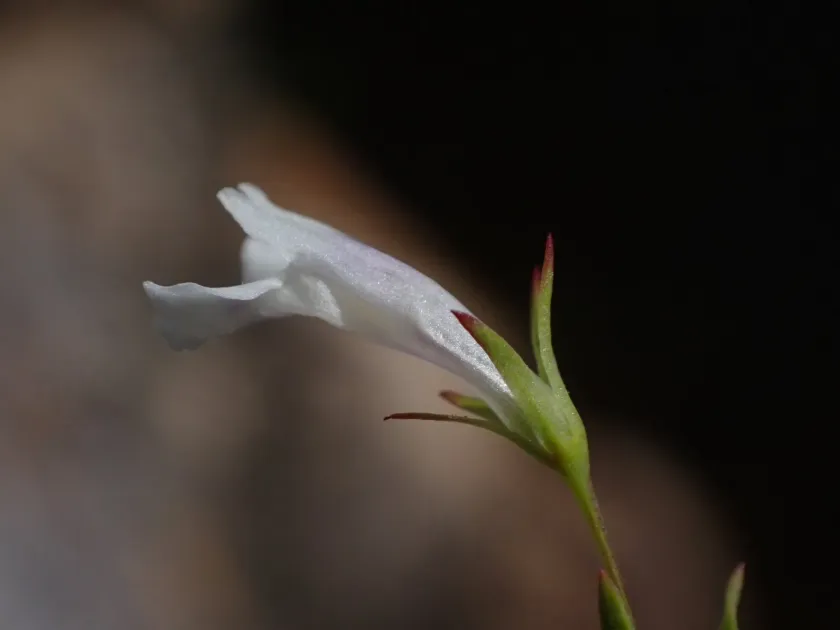
Description
Sowing dates
The sowing of Ilysanthes parviflora is typically performed during the spring season when the temperature of the water and soil reaches 18–20°C.
Seed germination is highly dependent on light exposure, so the seeds should be placed on the surface of the substrate without being covered by soil.
In professional cultivation, a nursery-grown seedling approach is preferred to ensure a uniform establishment of the crop in the final growing area.
Maintaining high humidity levels during the initial stages is crucial for the germination process and the development of the primary root system.
The selection of the sowing site should prioritize areas with minimal water flow to prevent the physical displacement of the small seeds.
Growing requirements
As a member of the Plantaginaceae family, this species thrives in moisture-rich environments, including wetland peripheries and shallow margins.
The crop requires full sun or partial light to maintain robust vegetative growth and to trigger the optimal flowering period characteristic of the species.
Soil quality is essential, with a preference for silt-rich or fine-sandy substrates that offer sufficient nutrient retention and a neutral pH balance.
Water quality should be monitored to ensure the absence of pollutants, as the plant is sensitive to chemical changes in its immediate aquatic environment.
Optimal temperature ranges for vigorous growth span between 22°C and 26°C, ensuring the metabolic functions of the plant are not restricted.
Main diseases and pests
Fungal pathogens represent the primary threat to the stability of the crop, particularly in stagnant water environments where aeration is insufficient.
Root rot caused by anaerobic conditions can significantly reduce yields, making proper drainage or water circulation systems a necessity for cultivation.
Herbivorous aquatic insects and mollusks can cause significant damage to the leaf tissue, which inhibits the overall vitality and growth rate of the plant.
Overpopulation of filamentous algae in the water column can lead to nutrient competition and a subsequent decline in the crop health.
Integrated pest management strategies focusing on biological control are recommended to maintain the ecological balance and prevent crop losses.