
Guinea Doum Palm
Hyphaene guineensis
Description
Growing requirements
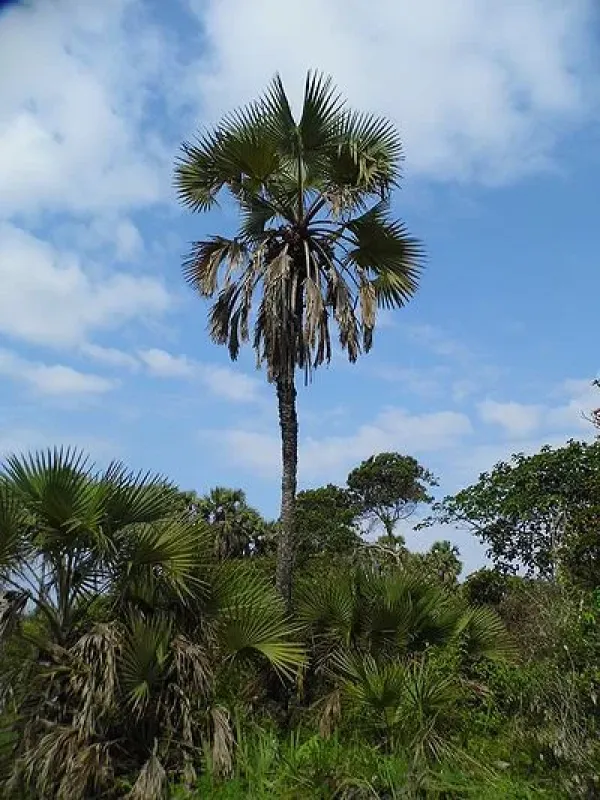
Hyphaene guineensis, commonly known as the Guinea Doum Palm, is a distinctive member of the Arecaceae family native to the tropical regions of West Africa. This species is taxonomically unique among palms due to its tendency to produce branched stems, which sets it apart from most other monocotyledonous trees.
The climate requirements for this palm are strictly tropical, necessitating year-round high temperatures and protection from cold snaps. It thrives in regions with high humidity and consistent moisture, although it demonstrates a remarkable adaptation to seasonal variations in water availability once the root system is established.
Ideal soil conditions for the Guinea Doum Palm involve well-drained, sandy, or alluvial substrates that allow for deep root penetration. The species is sensitive to waterlogging, which often leads to root rot; therefore, selecting sites with natural slopes or incorporating gravel layers for drainage is a standard agronomic practice.
Regarding agrotechnical management, the palm requires minimal but consistent fertilization to support its biomass development. Propagation is strictly via seeds, which possess a thick endocarp, necessitating pre-sowing treatments like scarification or prolonged soaking to improve germination rates in nursery conditions.
The economic utilization of the Guinea Doum Palm is diverse: the fruits are consumed by local populations, the leaves are harvested for high-quality fiber used in weaving, and the trunk wood is occasionally utilized for structural purposes. It represents a significant multifunctional asset in its native ecosystem.
Main diseases and pests
Primary threats to the health of Hyphaene guineensis include various fungal pathogens that thrive in high-humidity environments. Leaf spot diseases and root decay are common in poorly ventilated or waterlogged plantations, requiring strict adherence to phytosanitary measures, including the regular removal of dead foliage.
Insect pests such as palm weevils pose a significant danger, as they bore into the trunk and crown, often causing irreversible structural damage. Integrated pest management strategies, involving pheromone trapping and timely application of targeted insecticides, are essential to ensure the longevity and productivity of the palm.