
East African Doum Palm
Hyphaene compressa
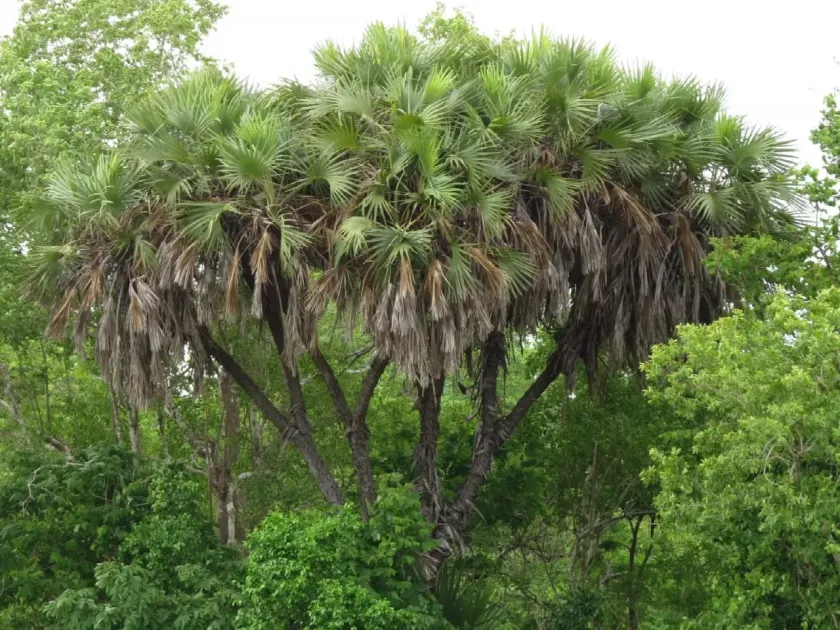
Description
Sowing dates
Propagation of Hyphaene compressa is primarily achieved through seeds, which possess a very hard endocarp. To improve germination rates, scarification or soaking in warm water for several days is standard practice before sowing.
Seeds should be planted in deep containers or nursery beds, as the species develops a strong, deep taproot early in its life cycle. Providing excellent drainage is essential to prevent seed rot in the germination phase.
Optimal germination occurs at temperatures between +28°C and +32°C. The palm is known for its slow initial growth rate, requiring patience from growers during the seedling and establishment stages.
Transplanting requires extreme care to avoid disturbing the sensitive root system. The most favorable period for planting out into the field is the onset of the rainy season when soil moisture is consistent.
Planting density should be managed to accommodate the mature tree's architecture. Adequate spacing is necessary to prevent competition for light and subterranean resources in adult plantations.
Growing requirements
The East African Doum Palm belongs to the Arecaceae family and is native to arid regions. It is highly photophilous and requires full sun exposure to thrive, as it does not tolerate shading.
The species is exceptionally adapted to high temperatures typical of desert environments. It possesses physiological traits that allow it to withstand prolonged droughts by utilizing deep groundwater reserves.
Hyphaene compressa is not demanding regarding soil quality, growing well in sandy, rocky, or gravelly substrates. High soil aeration is vital, as the species is highly intolerant of waterlogged, anaerobic conditions.
This palm is well-adapted to low atmospheric humidity. However, it is sensitive to freezing temperatures and must be protected from frost in any climate where it is introduced for cultivation.
The presence of a deep root system allows the palm to maintain metabolic activity throughout the hottest months, making it a robust survivor in harsh tropical environments where other crops fail.
Yield
The agricultural importance of Hyphaene compressa lies in its utility as a multi-purpose crop. The fruits are fibrous drupes that provide edible material and have historically served as a food source during shortages.
Yield capacity is correlated with the tree's age and local water availability. Mature palms can produce significant quantities of fruit annually, serving as a reliable resource in subsistence farming.
The fronds and timber of the palm are utilized extensively for construction and traditional handicrafts. Leaves are harvested for weaving mats, baskets, and roofing materials, which are essential for local economies.
Industrially, the fruit can be processed for fiber extraction. Additionally, the seeds are used in local crafts and jewelry-making, adding value to the total output of the palm cultivation system.
While not a traditional industrial crop, this palm represents a critical component of sustainable agriculture in semi-arid ecosystems, offering biomass and food security with minimal inputs.
Main diseases and pests
Fungal infections in the root system pose a significant threat to Hyphaene compressa, often triggered by over-irrigation or poorly drained soil conditions. Maintaining a dry crown and root zone is essential for disease prevention.
Pests such as the palm weevil are a major concern. The larvae bore into the trunk, compromising the palm's structural integrity and vascular system, which frequently leads to the total loss of the specimen.
Leaf-feeding insects can cause physiological stress in young nursery seedlings, slowing growth and making them more susceptible to environmental stressors. Regular field monitoring is key to early detection.
Cultural practices should avoid any mechanical injury to the trunk, as wounds provide entry points for pathogens. Proper tool sanitation is mandatory during any pruning or maintenance activities.
Integrated pest management strategies are recommended, focusing on maintaining tree health through appropriate moisture control and avoiding over-fertilization, which can attract harmful insect populations.