
White henbane
Hyoscyamus albus
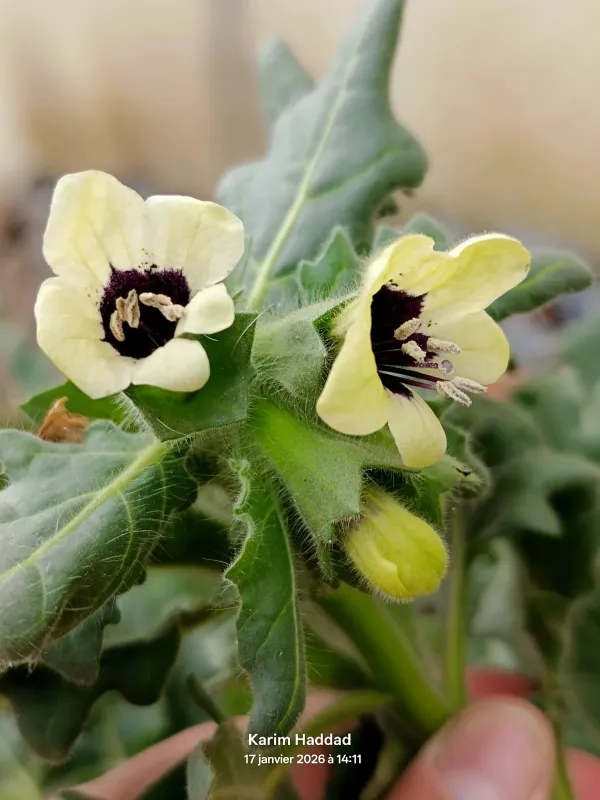
Description
Sowing dates
White henbane, scientifically known as Hyoscyamus albus, is a member of the Solanaceae family and is cultivated primarily for its medicinal properties.
The seeds are typically sown in early spring once the soil temperature is consistently above 10 degrees Celsius to ensure uniform germination.
Due to the small size of the seeds, shallow sowing at a depth of 1–2 centimeters is essential to allow proper emergence through the soil surface.
Row spacing should be maintained at 50–60 centimeters, which allows for mechanical weeding and ensures adequate space for each individual plant to develop.
Successful establishment relies on keeping the seedbed moist until germination, after which the plants develop a robust root system that aids in survival.
Growing requirements
This crop thrives in sunny locations as light intensity is directly linked to the accumulation of tropane alkaloids within the plant tissues.
Well-drained, fertile sandy loam or silty soil with a neutral pH is ideal for promoting healthy growth and preventing common root diseases.
While white henbane has good drought tolerance once established, consistent moisture is required during the rapid growth phase to maximize biomass.
Proper field management includes avoiding predecessors from the Solanaceae family to prevent the buildup of soil-borne pathogens and pests.
The plants are generally hardy, but they require a well-aerated environment to prevent the development of fungal infections in the lower foliage.
Yield
The primary yield consists of leaves and flowering tops, which are harvested to extract alkaloids like hyoscyamine and scopolamine for pharmaceutical use.
Yield averages can range from 1.5 to 2.5 tons of dried raw material per hectare, depending on soil quality and the precision of farming practices.
The timing of the harvest is critical, as the alkaloid content is at its highest during the peak of the flowering period for the plant.
Careful post-harvest handling is required, involving immediate drying in temperature-controlled environments to preserve the chemical stability of the leaves.
Effective agricultural planning can ensure consistent annual yields, provided the crop is protected from nutrient deficiencies and competitive weed growth.
Main diseases and pests
Common threats to white henbane include powdery mildew and root rot, especially in high-humidity environments where airflow is restricted.
Pests such as aphids and leaf-eating beetles can cause significant damage if not managed early through integrated pest management techniques.
Crop rotation and field sanitation are the primary preventative measures used to reduce the prevalence of diseases in commercial cultivation fields.
When pesticides are necessary, they must be selected carefully to comply with pharmaceutical standards regarding residue limits in the harvested material.
Early intervention during the seedling stage is vital, as the plant is most vulnerable to competitive weeds and pest attacks during its initial weeks.
Harvesting
Harvesting usually takes place during the mass flowering stage when the secondary metabolite content in the aerial parts is at its annual peak.
The aerial biomass is cut using specialized harvesting equipment, leaving a small portion of the stem to ensure the health of the base structure.
After cutting, the material must be processed immediately to prevent heating and degradation, which could otherwise lead to significant quality loss.
Large-scale drying involves forced-air dryers set to moderate temperatures, ensuring the product maintains its color and pharmacological integrity.
Post-drying storage should occur in a cool, dry, and dark environment to minimize the oxidation of active ingredients in the harvested herb.