
Hydrocera
Hydrocera
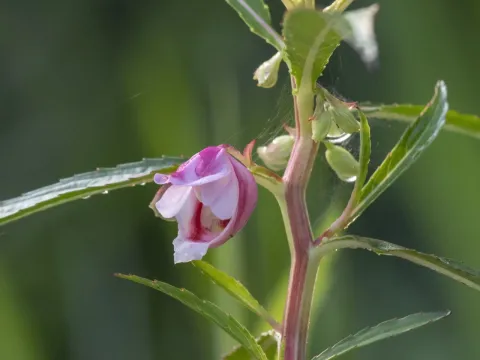
Hydrocera triflora is a monotypic genus of plants belonging to the Balsaminaceae family. In its natural habitat, it is an annual herbaceous plant that prefers humid environments.
What the section contains

Hydrocera
Sowing seeds in controlled environments or during introduction occurs during the period when water and soil temperatures reach 20–25 degrees Celsius.
The plant requires high air humidity and a stable temperature, so when cultivated as an agricultural or ornamental object, it is essential to avoid extreme fluctuations.
Seeds are typically sown in light, well-moistened substrate that mimics the silty deposits of natural water bodies, ensuring high germination energy.
To accelerate sprouting, seeds require pre-stratification or soaking in warm water, which mimics the conditions of their natural maturation in tropical water bodies.
The crop is a classic hydrophyte, requiring a constant presence of water in the root zone. The optimal water level can range from 10 to 30 centimeters.
The soil must be rich in organic matter and possess a slightly acidic or neutral pH, characteristic of the swampy and coastal soils of Southeast Asia.
The plant is photophilous; however, under intense sunlight, it requires protection from water overheating, which can lead to root system decay and pathogen development.
Cultivation techniques require keeping the water surface clear of filamentous algae, which can inhibit the development of young Hydrocera shoots during the initial growth stage.
Available forms of nitrogen and phosphorus, which are easily absorbed through the root system from bottom sediments, play a significant role in plant nutrition.
The greatest threat to Hydrocera comes from fungal infections that develop in conditions of stagnant water and poor air circulation above the water surface.
Root rots are a frequent problem when temperature regimes are not maintained, as water becomes too warm, promoting the proliferation of anaerobic bacteria.
Pests such as aphids and spider mites can attack the aerial parts of the plant during periods of low air humidity, causing deformation of young leaves.
To prevent the spread of diseases, it is necessary to conduct periodic sanitary cleaning of the plantings, removing damaged or dying plant parts.
The use of biological fungicides is the preferred method of protection, as the plant is extremely sensitive to the effects of synthetic pesticides.